
Lenses
Lenses
Optics worth knowing: lens design, character, rendering, and the glass that defines a system.
Lenses
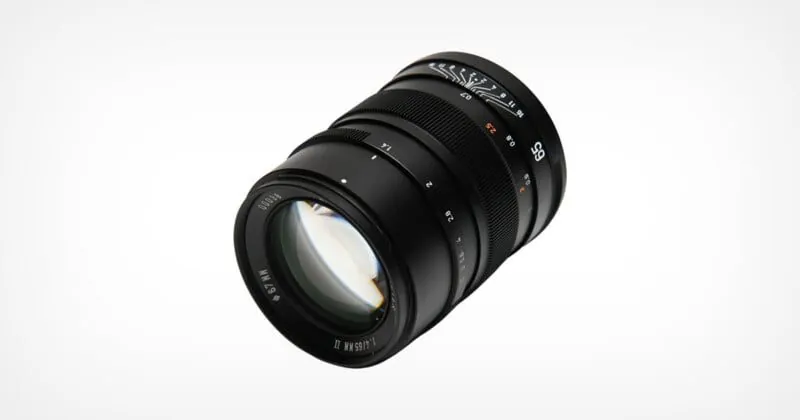
Two Speedmasters in Eleven Days: ZY Optics Takes the Centre of Medium Format
ZY Optics has launched a new 45mm f/1.4 and a lighter 65mm f/1.4 II for Fujifilm GFX and Hasselblad XCD, each manual focus, each $599, and each faster than the standard primes the system makers sell.
Lenses
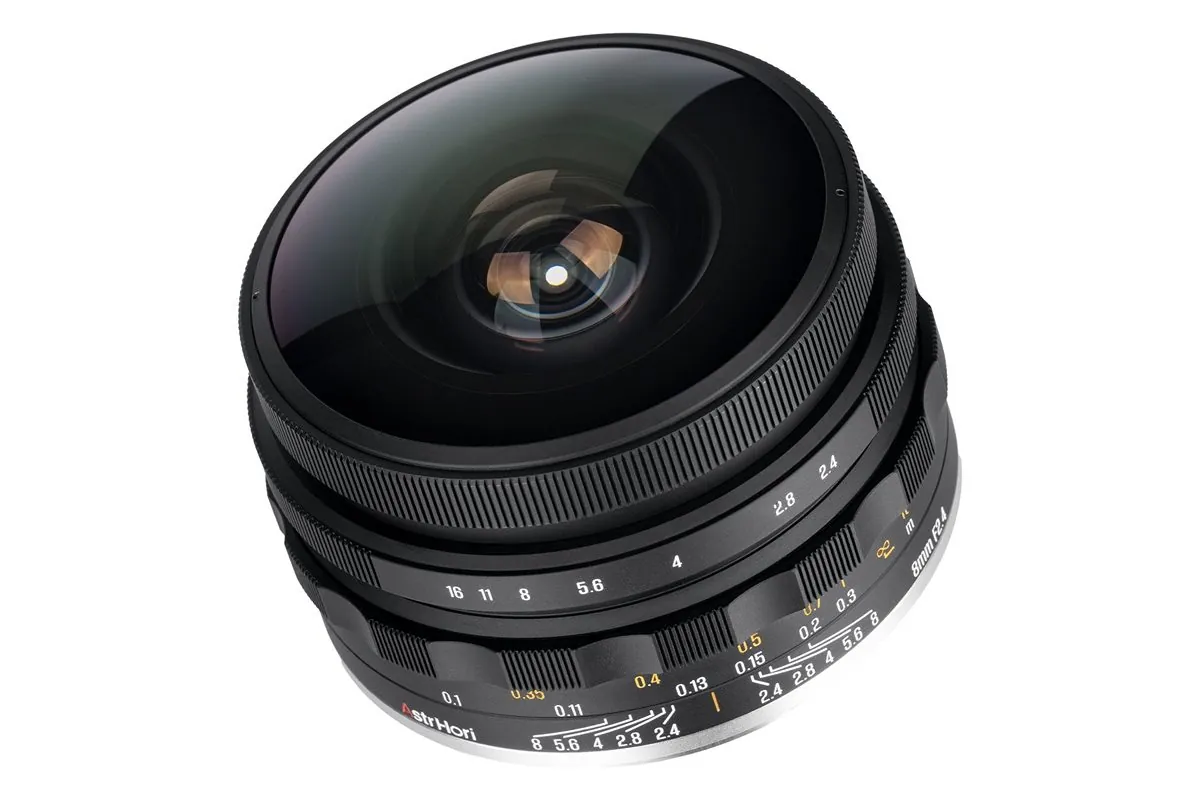
220 Degrees on Medium Format: AstrHori's 8mm F2.4 Circular Fisheye
AstrHori's manual focus 8mm F2.4, announced on October 16 for Fujifilm GFX and Hasselblad XCD at $398, sees more than a hemisphere. It is the widest lens either system has, and a useful test of what medium format is for.
Lenses
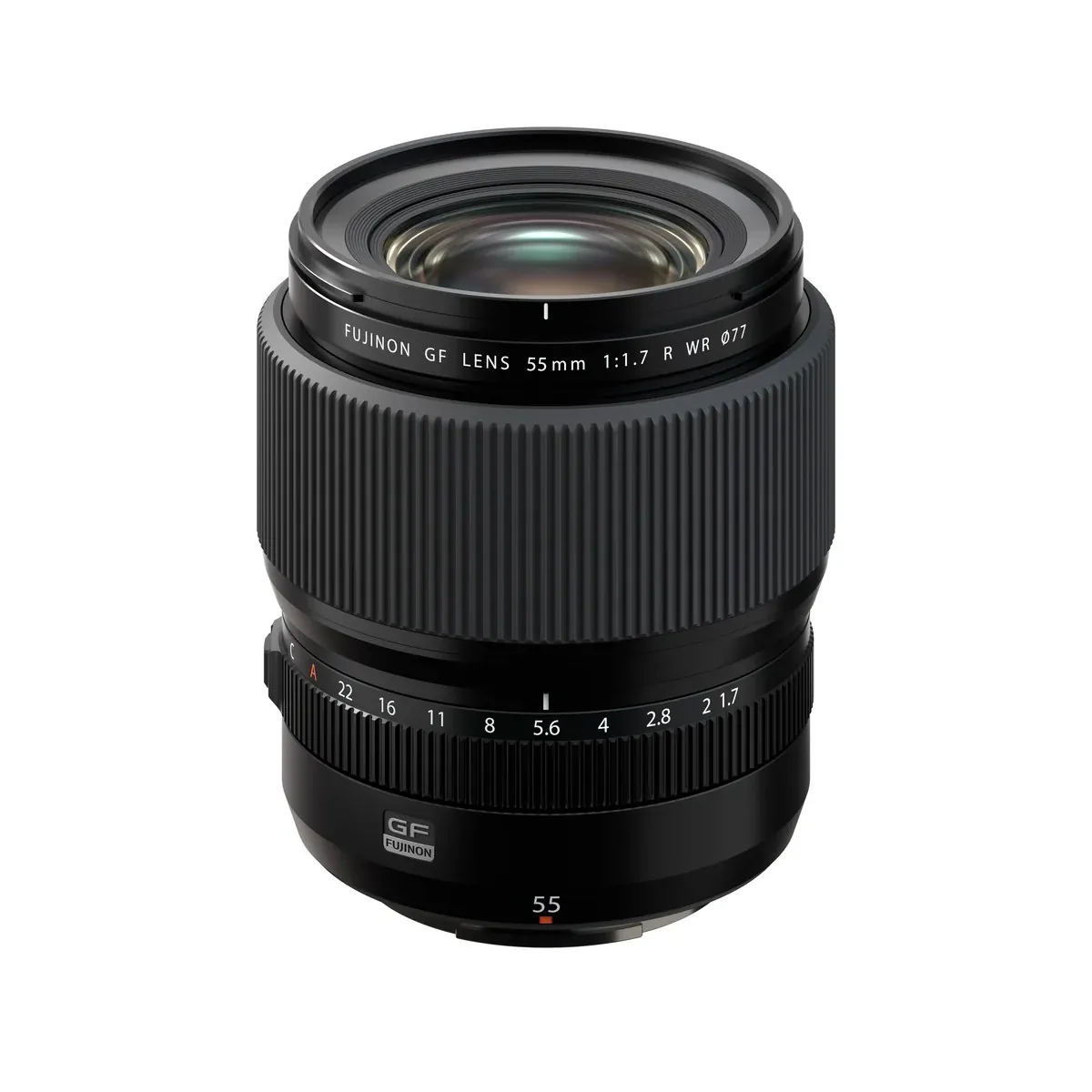
One Standard Lens, Two Answers: Fujifilm's GF 55mm f/1.7 Meets Hasselblad's XCD 55V
Both are standard primes for 44 by 33mm sensors, giving a field of view near 43 to 44mm in full frame terms. Fujifilm spent its budget on speed at f/1.7. Hasselblad spent its on a leaf shutter and 372 grams. The comparison shows what medium format buyers are actually choosing between.
Lenses
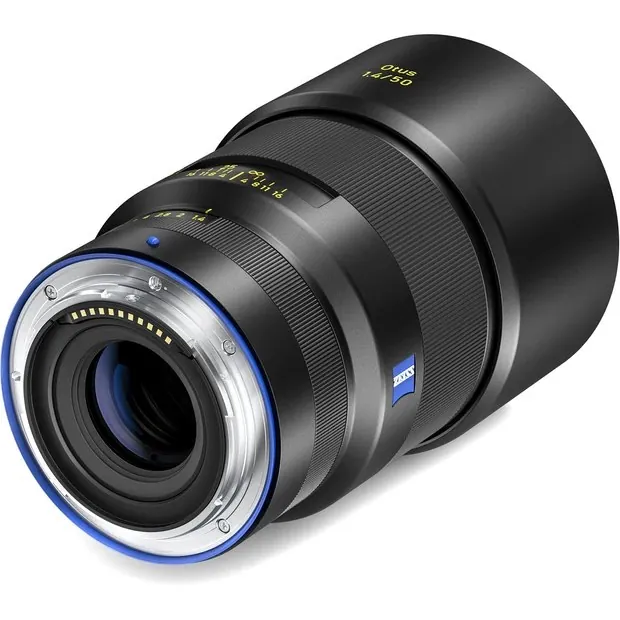
The Otus Argument: What the Zeiss Otus ML Buys by Refusing Autofocus
The Otus ML 50mm f/1.4 is a 14 element manual focus prime costing $2,500, in a market where autofocus 50mm lenses sell for a fifth of that. Its logic only makes sense once the original DSLR Otus is understood as its starting point.
Lenses
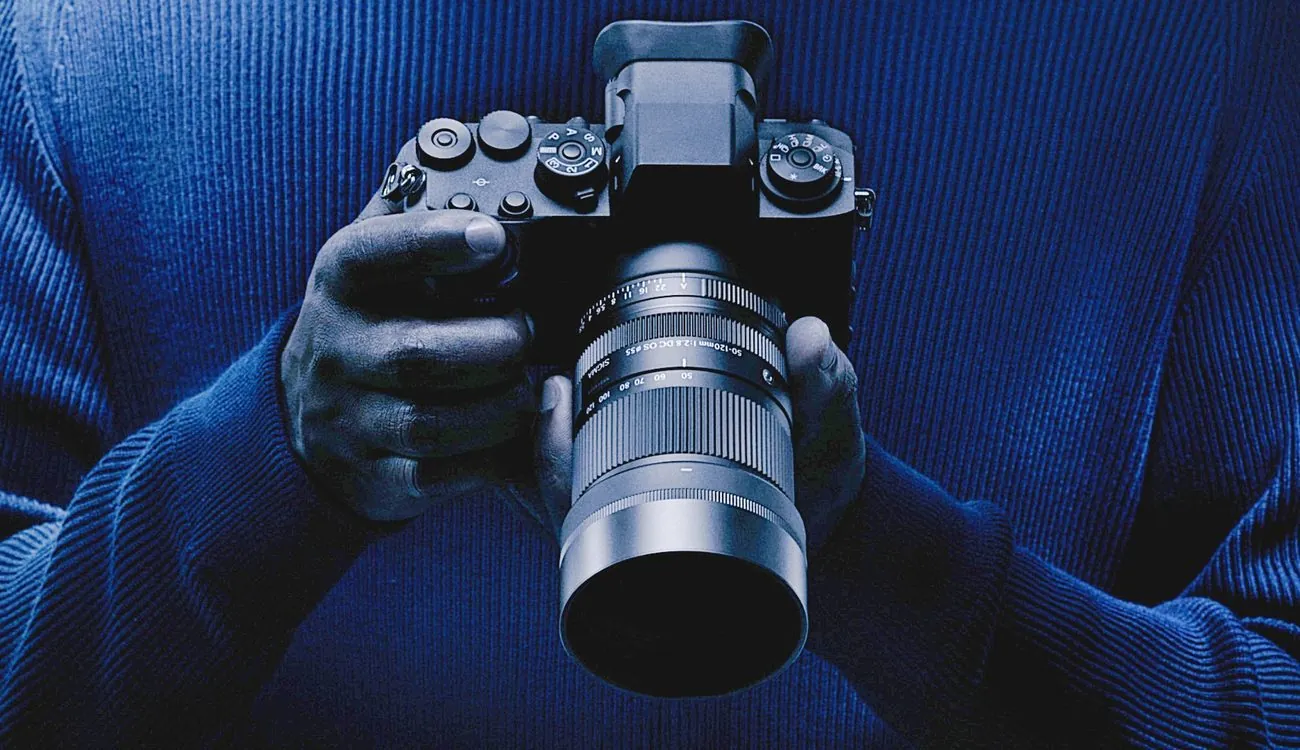
Sigma Completes Its APS-C F2.8 Trio at 390 Grams
The 50-120mm F2.8 DC OS Contemporary goes on sale October 22 for $799, in Sony E, Fujifilm X and Canon RF mounts. It gives APS-C the fast telephoto zoom the format has always promised and rarely delivered: a 70-200mm equivalent at a weight full frame cannot approach.
Lenses
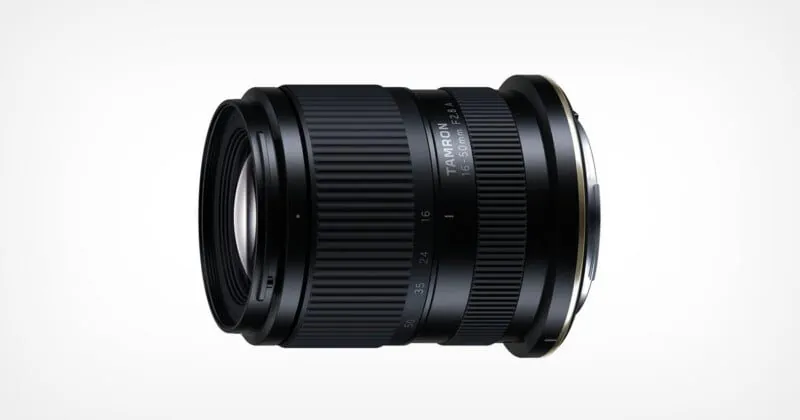
Tamron Gives APS-C a Proper Fast Zoom, in Four Mounts at Once
The 16-50mm F2.8 A, Model B091, starts at a genuinely wide 16mm, holds f/2.8 across the range, weighs about 305 grams, and rolls out from October 29 at $529 and $549.
Lenses
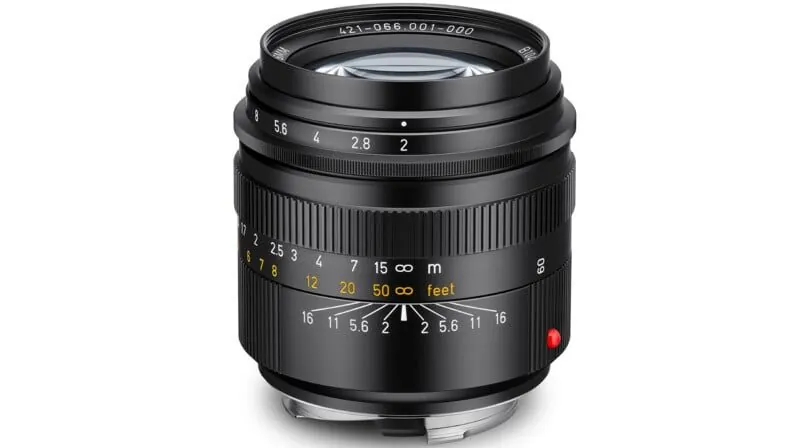
The Spy Lens Returns: Leica Revives the Elcan 66 as the Summicron-M 66
In the late 1960s Ernst Leitz Canada built about 200 examples of a 66mm f/2 for the US Navy. Leica's Classic Line reinterpretation runs to 660 numbered units, and the very first of them goes to auction in Wetzlar in November.
Lenses
The Engineering Behind Premium Camera Lenses
Apochromatic correction, aspherical surfaces, floating elements. What those terms actually mean, and why the finest lenses are exercises in controlled obsession.
Lenses
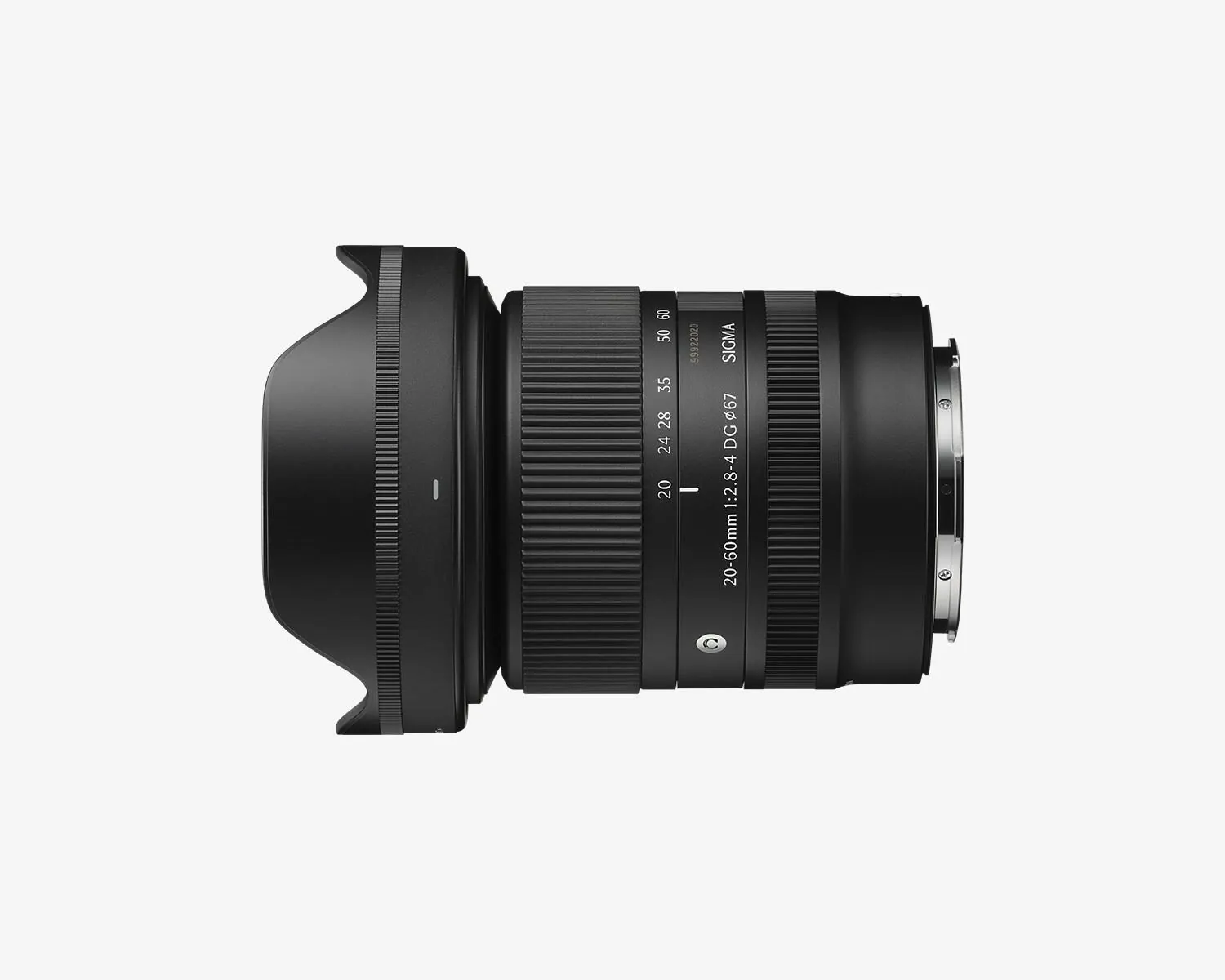
Sigma's 20-60mm f/2.8-4 Starts Where Most Standard Zooms Do Not
The new Contemporary zoom opens at 20mm, weighs 385 grams, focuses to 15.8 centimeters and costs $849. Sigma's answer to the kit lens has arrived.