feature
The Spy Lens Returns: Leica Revives the Elcan 66 as the Summicron-M 66
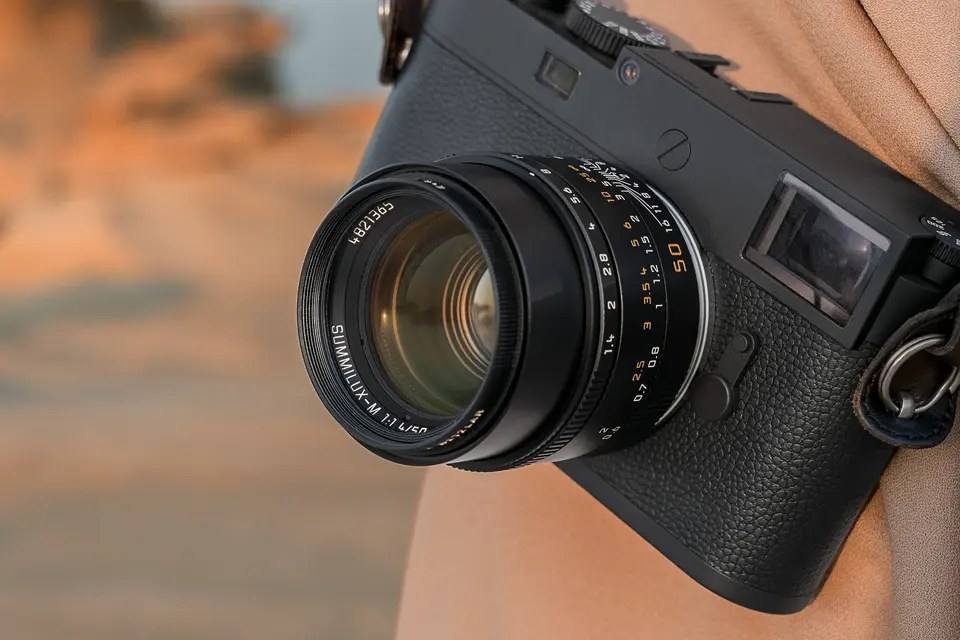
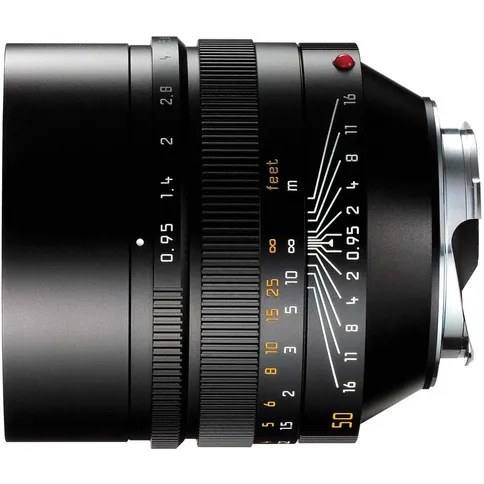
In the late 1960s Ernst Leitz Canada built about 200 examples of a 66mm f/2 for the US Navy. Leica's Classic Line reinterpretation runs to 660 numbered units, and the very first of them goes to auction in Wetzlar in November.
Leica Camera AG
Some lenses become rare because few people wanted them. The Elcan 66mm f/2 became rare because few people were allowed to have one. Developed in the late 1960s by Dr Walter Mandler at Ernst Leitz Canada for the US Navy, it was designed for covert reconnaissance photography, and only about 200 units were made. Leica has now reinterpreted it as the Summicron-M 66 f/2, a Classic Line lens limited to 660 numbered units worldwide, priced at $10,900. For a vintage specialist, the interesting question is not whether the new lens is good. It is what, exactly, Leica is reviving, and what the revival does to the original's standing.
A lens built to be ordinary
The original commission explains the strange focal length. Sixty-six millimetres is not a standard step in the M system, and it was not chosen for novelty. It was the outcome of balancing maximum resolution and fine contrast against a compact barrel, in a lens that had to look unremarkable while delivering detail that ordinary lenses could not. That combination, discretion on the outside and performance on the inside, is the whole character of the Elcan 66. Many surviving examples are associated with the Leica KE-7A, the military variant of the M4, and camera and lens together formed compact sets for discreet work where recorded detail was the assignment. Historical accounts also place equipment of this kind with Western allied partners during the Cold War, beyond the original Navy commission.
The rarity, then, rests on more than a small production number. Two hundred units would make any Mandler design collectible. What lifts the Elcan 66 into a different category is the closed world it belonged to: a military customer, a defined intelligence purpose, a companion camera built for the same work, and documentation that treated the equipment itself as sensitive. Collectors are not only buying glass. They are buying the completeness of that story, and its scarcity is documented rather than manufactured after the fact.
Leica Camera AG
What the new lens keeps, and what it changes
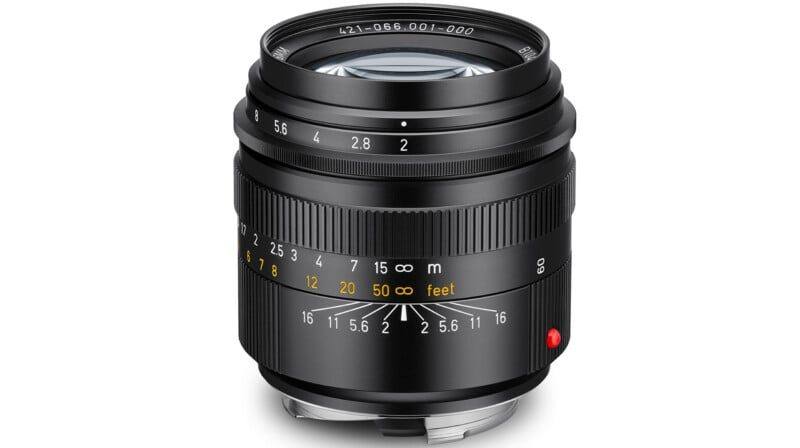
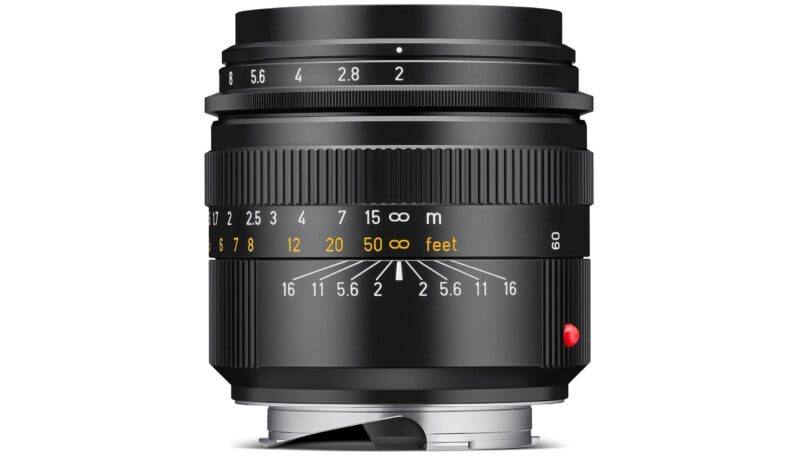
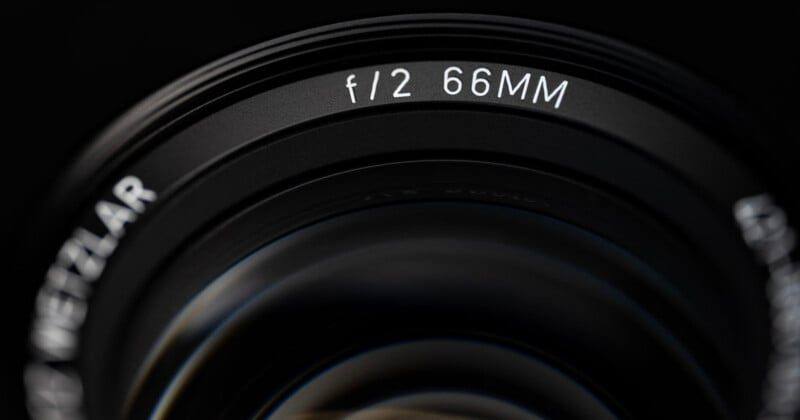
Leica describes the Summicron-M 66 f/2 as a reinterpretation, and the word is accurate. The optical and mechanical design follows the original but has been adapted to current standards. The construction is six elements in five groups, with a nine-bladed diaphragm and an aperture range from f/2 to f/16. The lens is about 60mm long, weighs 456 grams, uses the Leica M bayonet with 6-bit coding, and takes E49 filters. Two period details survive intact, and they are the right ones. The aperture ring rotates in the opposite direction to standard M lenses, following the military specification, and the engravings take their character from the original design, with a finer typeface and a precise focal length engraving on the side of the barrel. Each lens carries a special serial number on the front ring, in the same spirit as the production and order numbers marked on the originals.
The rendering is where the Classic Line framing matters. Leica positions the lens to give high contrast and soft bokeh at f/2, with its finest and sharpest results stopped down, a faithful echo of a brief in which both were operational requirements rather than aesthetic preferences. Read as a modern M lens, the 66 sits between the familiar 50 and 75 focal lengths. Read as a historical object, it is a focal length most M photographers have only seen in auction catalogues, made available again in a form that can actually be mounted and used.
Leica Camera AG
Why Leica does this, and why it works
The Classic Line exists to bring historic Leica designs back into production with modern manufacture, and the Elcan is arguably its strongest subject yet. Earlier revivals traded on fame. This one trades on obscurity, which is a more demanding proposition. A photographer who has never heard the Elcan story has to be persuaded by the lens itself. A collector who knows the story will judge the new lens harshly if it feels like a costume. Limiting production to 660 units, each individually numbered, is Leica's answer to both audiences. It keeps the object scarce without pretending it shares the original's rarity. Six hundred and sixty is not two hundred, and Leica is not claiming otherwise.
There is a risk in revivals of this kind. A reissue can dilute the original if the market begins to price the new lens as a substitute for the old one. The Summicron-M 66 is explicit about what it is, a modern lens based on a historic design, coded for current M cameras, which answers the first concern. The second is a market decision, and the likely effect runs the other way. Every new owner who learns the Elcan story becomes a potential bidder for the genuine article, and attention of that kind has historically raised, not lowered, the standing of an original.
November will give a verdict
Leica has held back one lens from the run. The example carrying serial number 001 will be auctioned at the Leitz Photographica Auction in Wetzlar in November 2026. That is a shrewd piece of theatre, and also a genuine market test. A first serial number is a distinct collectible in its own right, and the Wetzlar room is where Leica's collector market sets its prices in public. The result will say something measurable about how much of the Elcan's aura transfers to a lens made in 2026, and how much stays with the roughly 200 originals.
My own reading is that the auction will do well and the originals will not suffer for it. The Elcan 66 earned its place through service, secrecy and survival, none of which can be reissued. What Leica has made instead is the most considered kind of tribute: mechanically literate, optically serious, and honest about being new. For the M system, that is enough. A spy lens was never meant to be seen. Sixty years on, being seen is rather the point.
Spotted an error? We correct openly: see our corrections policy.