
Cameras
Cameras
Significant cameras, from mechanical icons to the current digital flagships: what they do, how they are built, and why they matter.
Cameras
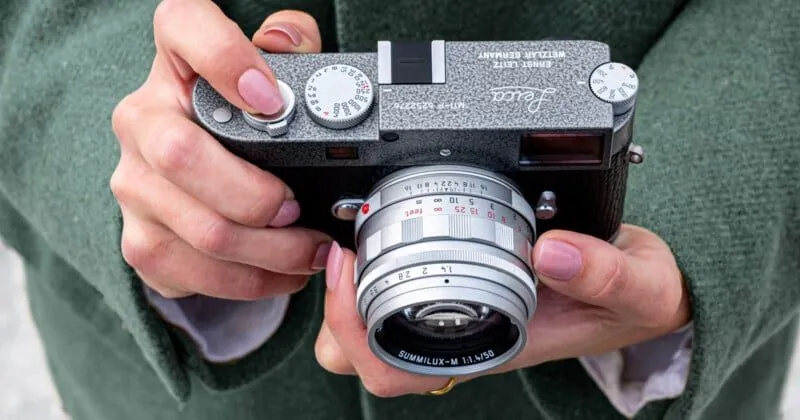
Hammertone Returns: Leica Finishes the M-A and the M11-P as Instruments
Announced on November 12 and on sale the same day at $8,000 and $10,950, the M-A Hammertone and M11-P Hammertone revive a textured industrial finish Leica has used only a handful of times since the 1960s, on solid brass plates, with each camera’s pattern unique.
Cameras
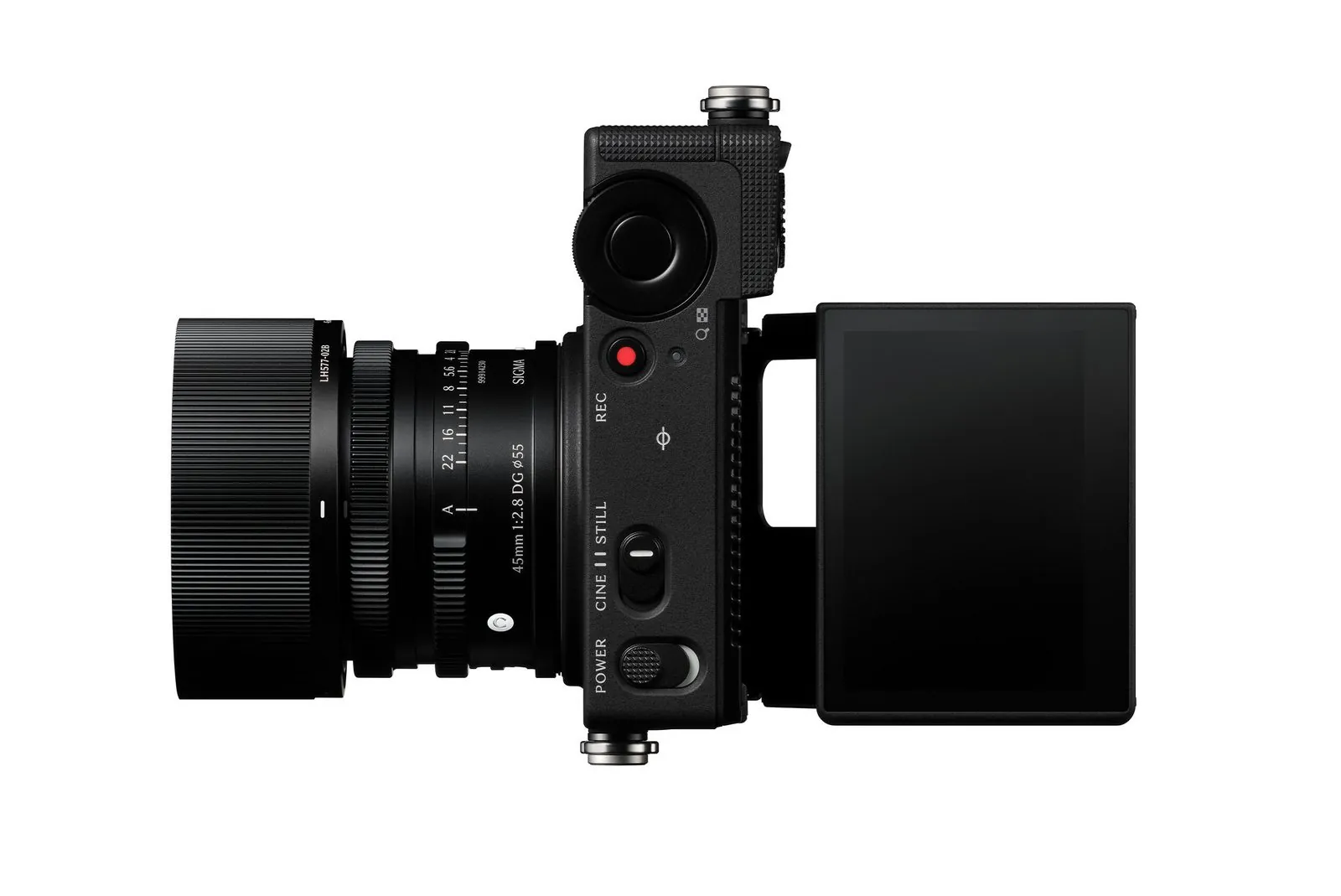
Sigma's FP2 Doubles Down on the Camera as a Starting Point
Announced on October 23 and on sale November 11 at $2,199, the FP2 keeps the fp idea intact and fixes its most criticised omissions: a faster 24.5 megapixel partially stacked sensor, a tilting screen, 6K OpenGate video and an optional tilting viewfinder. Orders in Japan have already outrun Sigma's forecast.
Cameras
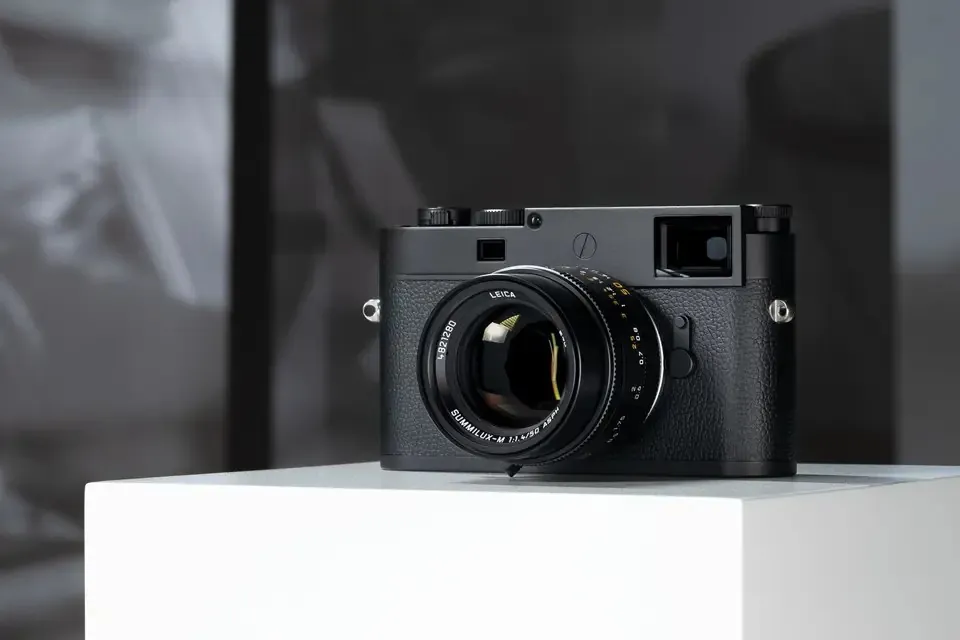
One Sensor, Three Answers: How Leica's M, SL and Q Divide the Work
Leica sells three full frame systems built around closely related 60 megapixel technology: a manual rangefinder, a mirrorless workhorse on the shared L-Mount, and a fixed lens compact. The differences are not about image quality. They are about which decisions a photographer wants to keep.
Cameras
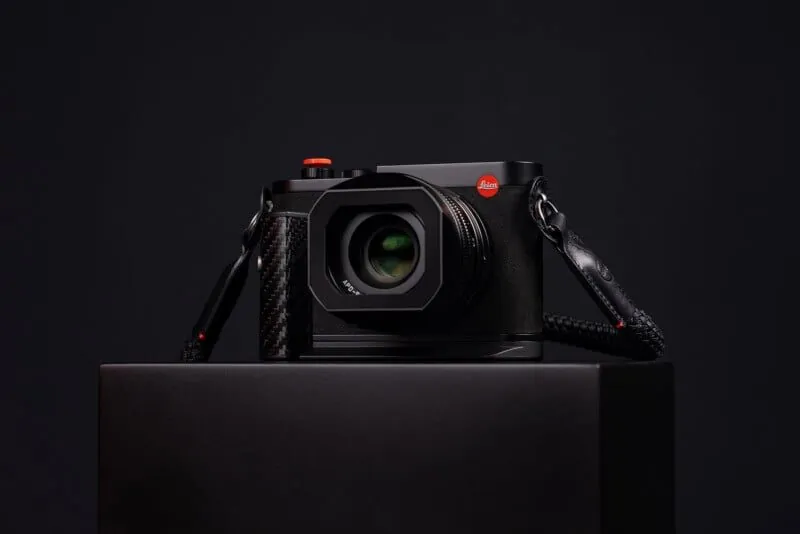
Carbon at the Touch Points: The Leica Q3 43 Formula 1 Edition
Leica has rebuilt the Q3 43's grip, thumb rest and soft release in carbon fibre, added an exclusive Formula 1 picture look, and priced the result at $9,950. The camera underneath is unchanged, which is precisely the point worth examining.
Cameras
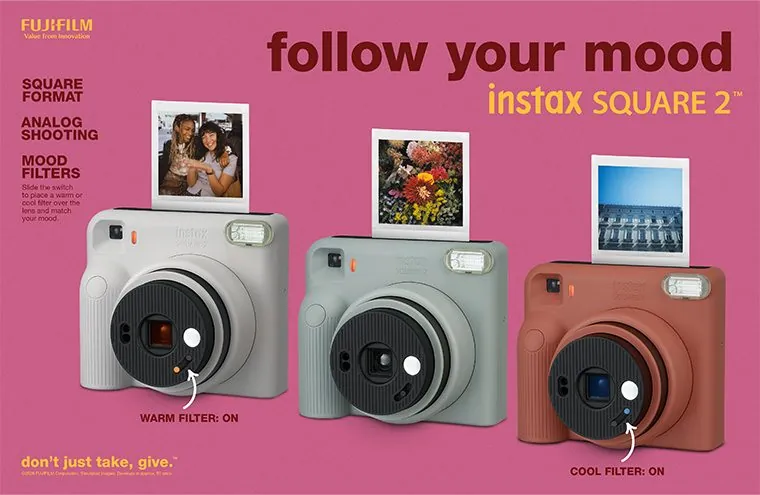
Fujifilm Brings the Square Back, With a Filter Chosen Before the Shutter
The instax SQUARE 2 succeeds the 2020 SQ1 with a physical Mood Filter Switch, a new Landscape mode and a softer new film, SQUARE SOFT HAZE. The camera is priced at $119.95 in the United States.
Cameras
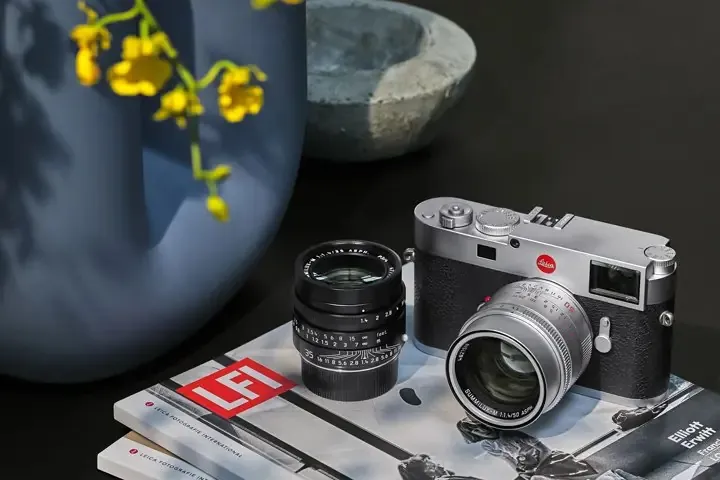
Understanding the Leica M System
Seventy years after the M3, the rangefinder remains Leica's defining idea. How one mount, one viewfinder, and a stubborn philosophy survived the digital age.
Cameras
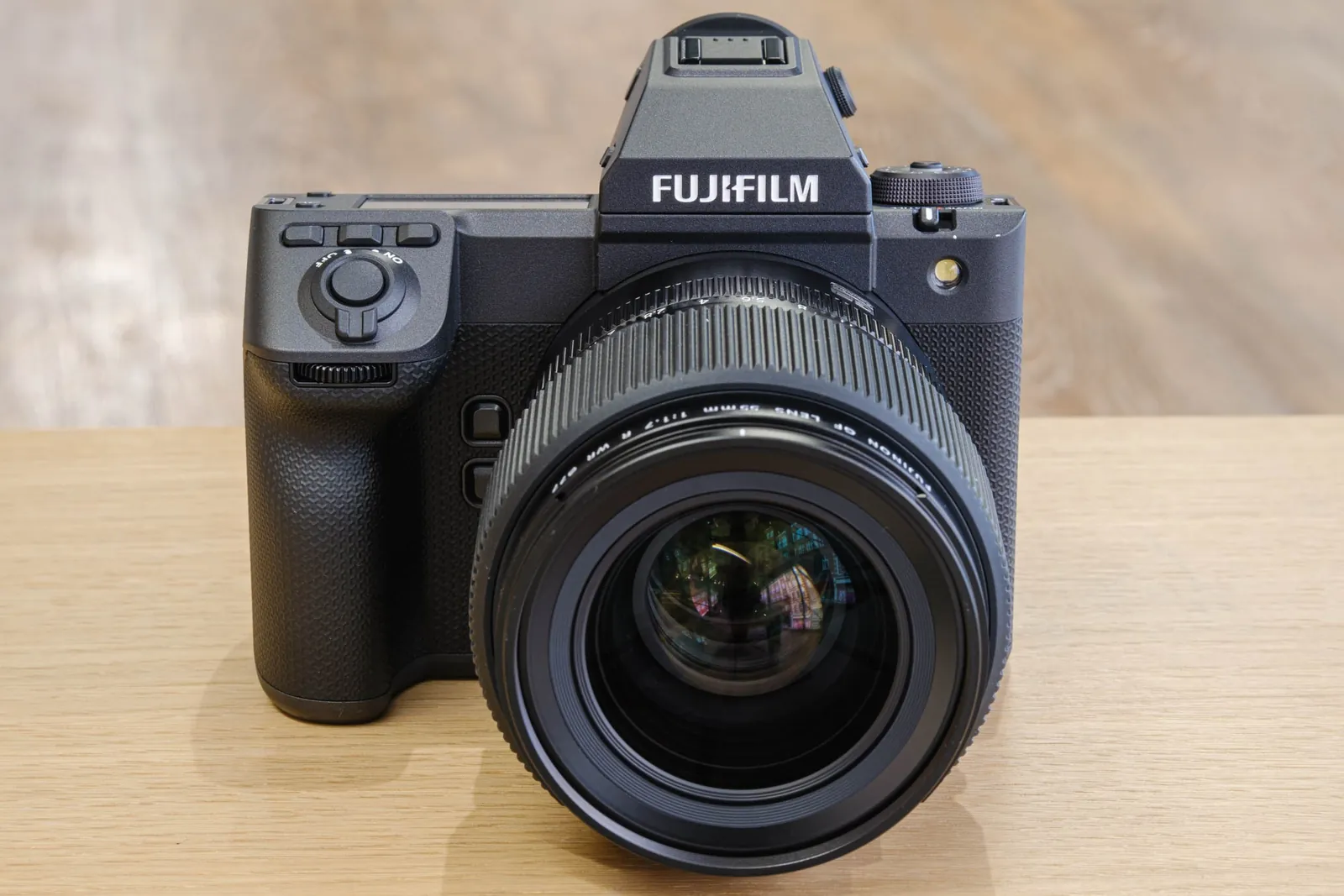
Fujifilm GFX and the Modern Medium-Format Market
While rivals fought over full frame, Fujifilm built a medium-format system from nothing. Nine years on, the GFX line is the clearest argument that larger sensors have a future.
Cameras
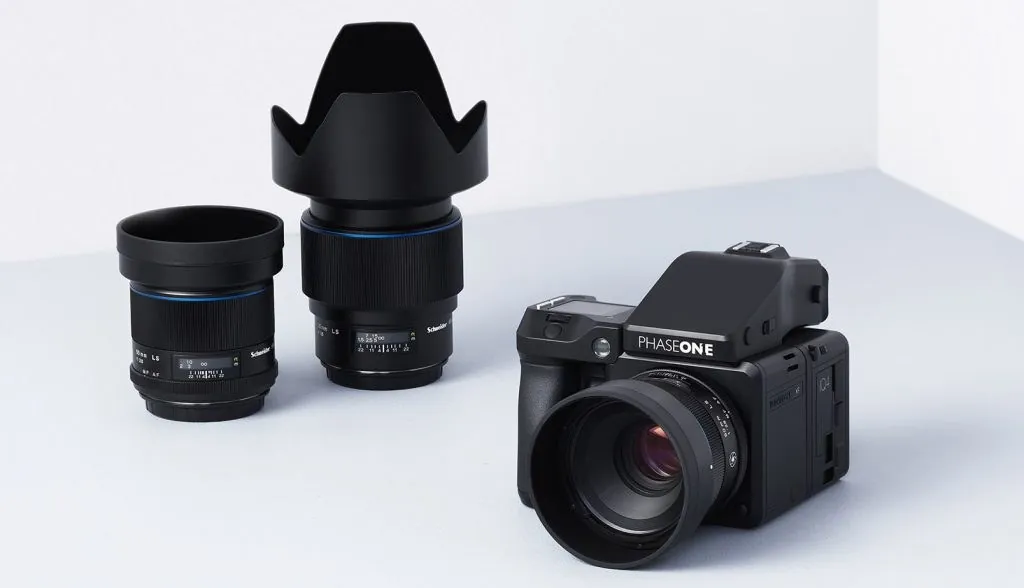
Phase One and the Pursuit of High-Resolution Imaging
151 megapixels, a sensor larger than anything in a mirrorless body, and a camera built for studios rather than streets. Inside the Danish company's uncompromising vision.
Cameras
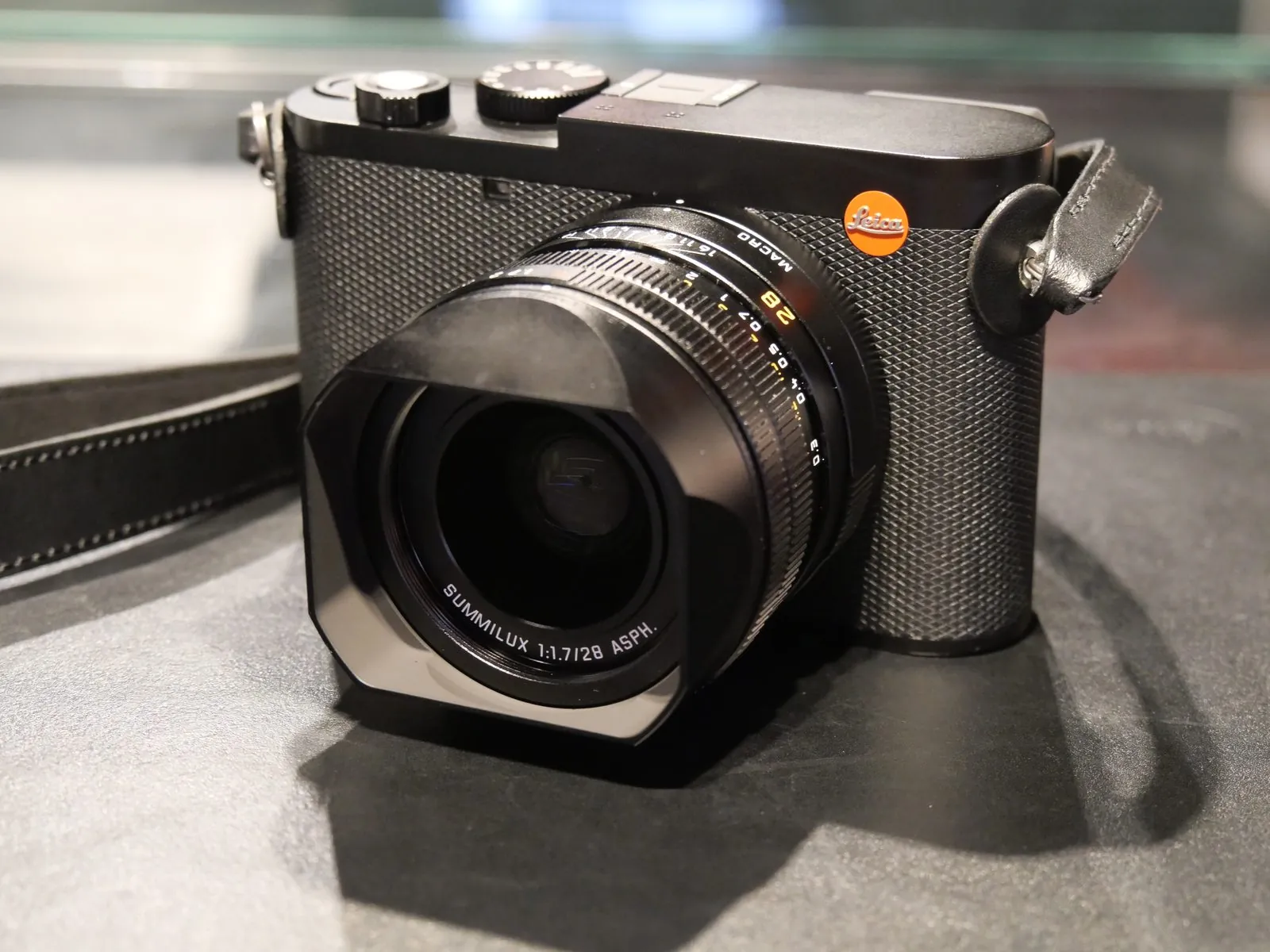
The Leica Q: One Lens, No Excuses
Eleven years after the Typ 116, Leica's fixed-lens full-frame camera has become the company's most culturally potent product. The story of the Q, Q2, Q3, Q3 43 and Q3 Monochrom.
Cameras
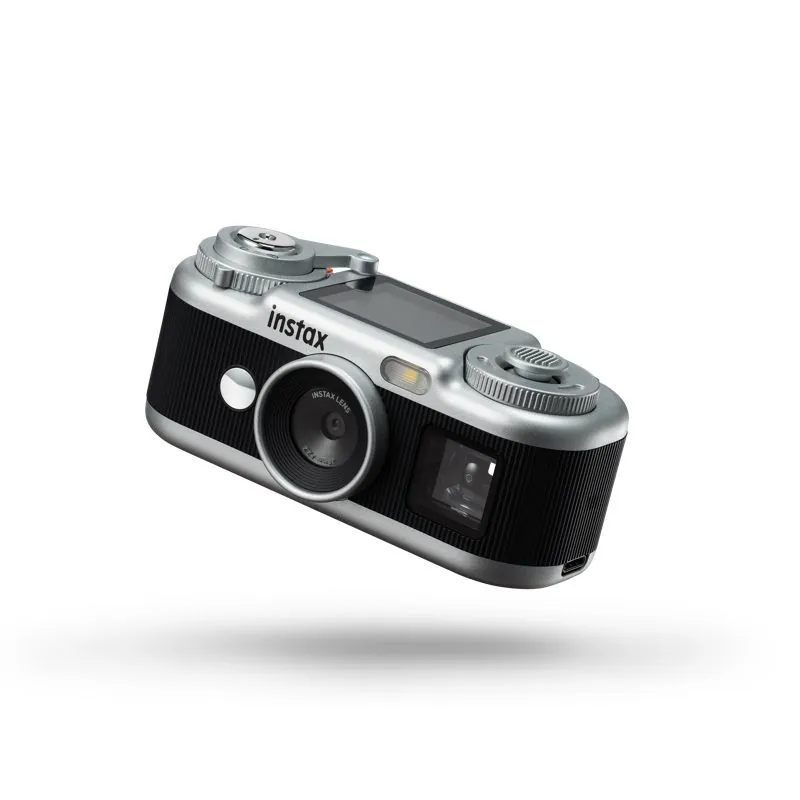
Fujifilm's instax Pal 2 Grows Up, and Still Fits in a Palm
The Pal 2 adds an optical viewfinder, a 10-megapixel sensor and an analogue soul to Fujifilm's tiniest camera; the Link WIDE 2 brings QR codes and collage printing to wide-format prints.