feature
The Leica Q: One Lens, No Excuses
Eleven years after the Typ 116, Leica's fixed-lens full-frame camera has become the company's most culturally potent product. The story of the Q, Q2, Q3, Q3 43 and Q3 Monochrom.
Peachyeung316, Wikimedia Commons (CC BY-SA 4.0)
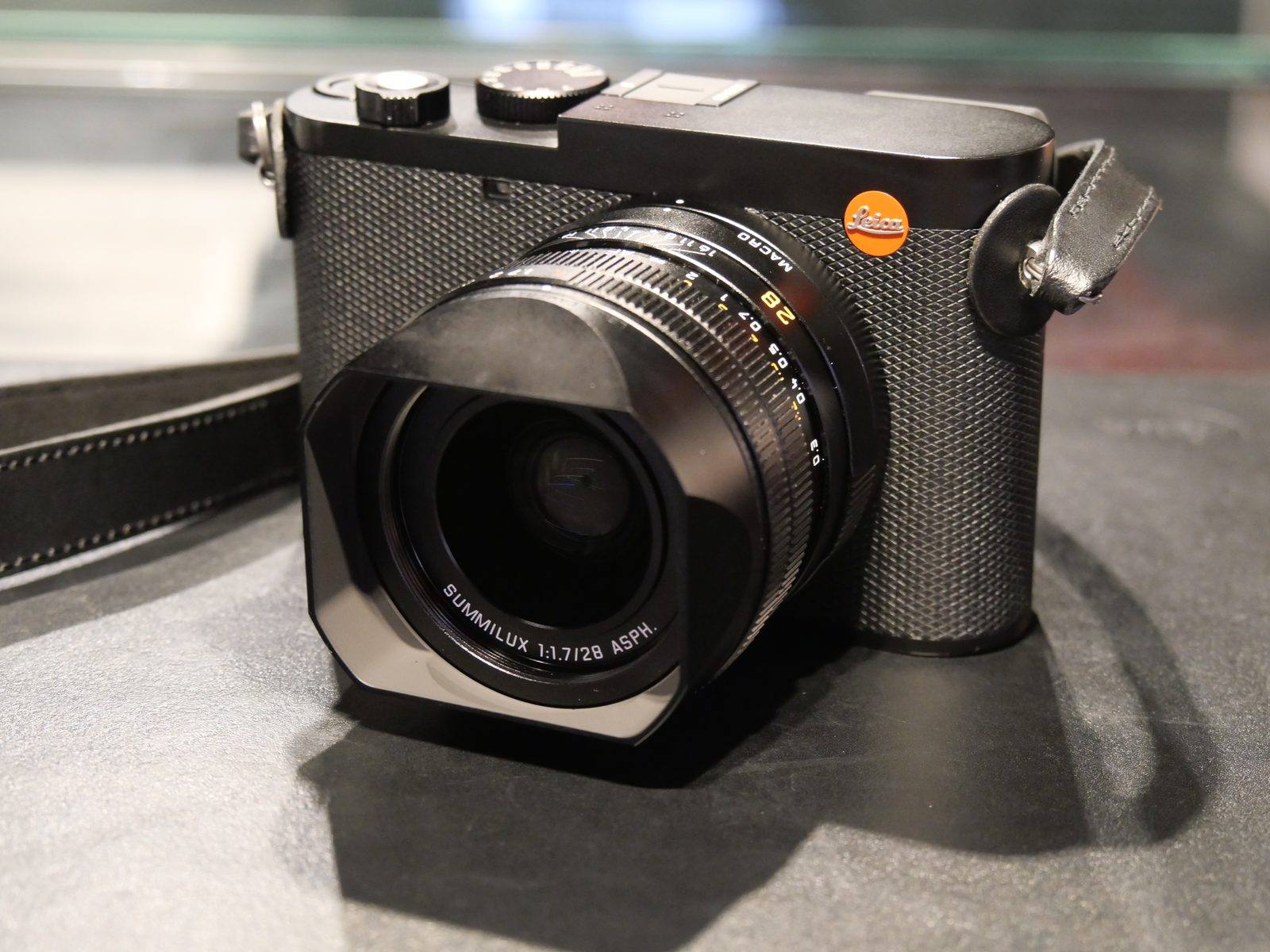
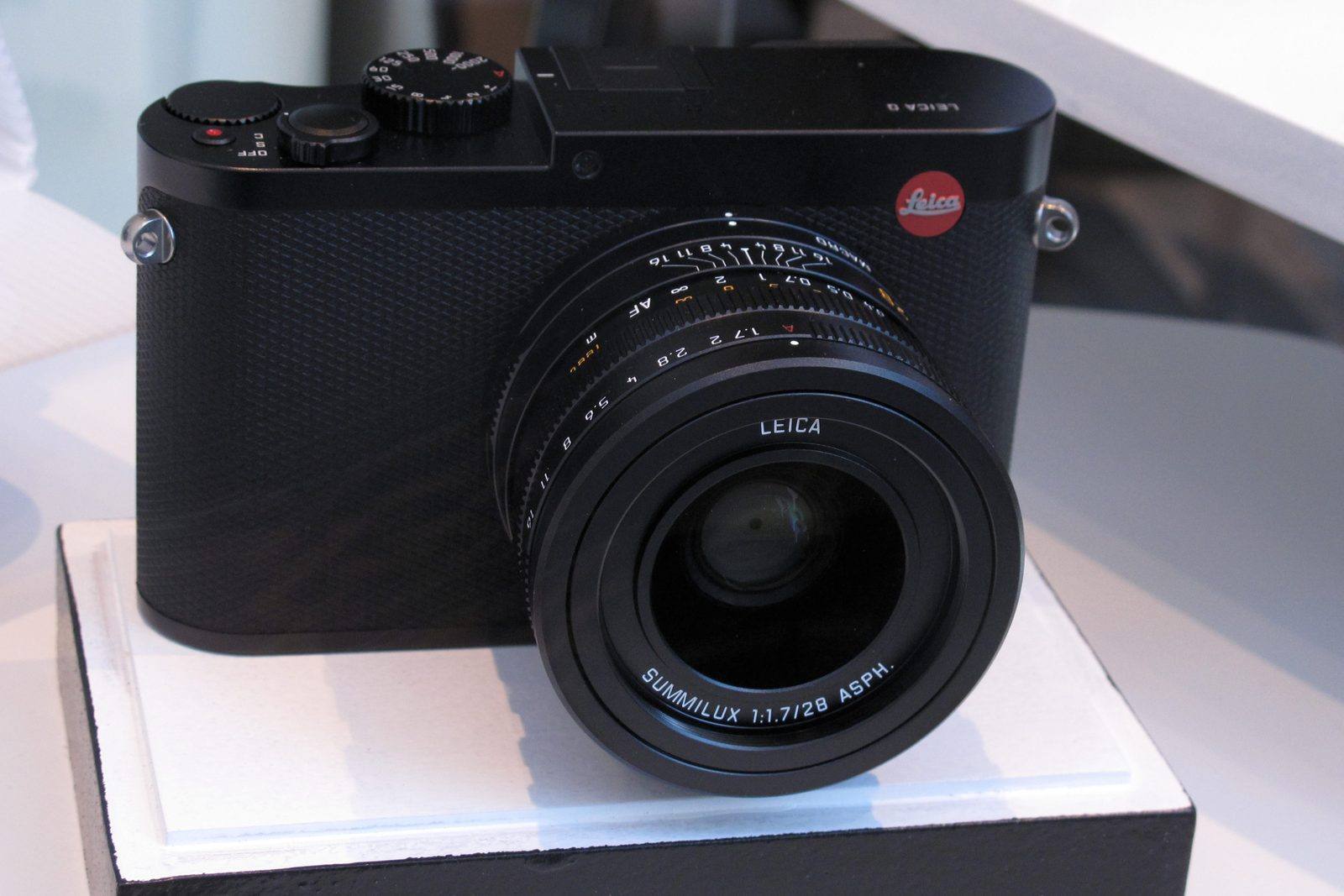
In June 2015, Leica introduced a camera that broke one of its own unwritten rules. The Q (Typ 116) was a full-frame compact with a fixed lens, a Summilux 28mm f/1.7 ASPH that could never be removed, at $4,250. Leica's identity had always been the interchangeable lens: the M mount, the SL mount, the system. The Q proposed the opposite, that one excellent lens, permanently married to one sensor, was not a limitation but a discipline. Eleven years later, the Q line is arguably the most culturally potent product Leica makes, the camera most likely to be recognized on the street by people who do not follow cameras.
The original formula was precise. A 24-megapixel full-frame CMOS sensor, the Maestro II processor, a 3.68-megapixel electronic viewfinder, and the fast 28mm with a macro mode focusing to 17 centimeters. Digital crop modes offered 35mm and 50mm framings. It was, by the standards of 2015, a thoroughly modern camera in a classical body, aluminum top plate and magnesium chassis, made in Germany, with Wi-Fi at a time when that still felt novel. Reviewers noted the autofocus speed and the low-light ability; buyers noted something else, that the camera asked nothing of them except to go out and photograph.
Rama, Wikimedia Commons (CC BY-SA 2.0 fr)
The Q2: resolution and weather
The second generation arrived on March 7, 2019, and addressed the two substantive complaints about the first. Resolution doubled to 47.3 megapixels, and the body gained sealing against dust and water spray, which Leica noted made it the only camera in its class so protected. The lens stayed: the same Summilux 28mm f/1.7 ASPH, now joined by a 75mm crop mode alongside the 35 and 50. Video moved to 4K, the viewfinder became OLED, and the price moved to $4,995. The Q2 kept the original's dimensions and manners while removing its excuses, and it sold accordingly.
The Q3: sixty megapixels and a tilting screen
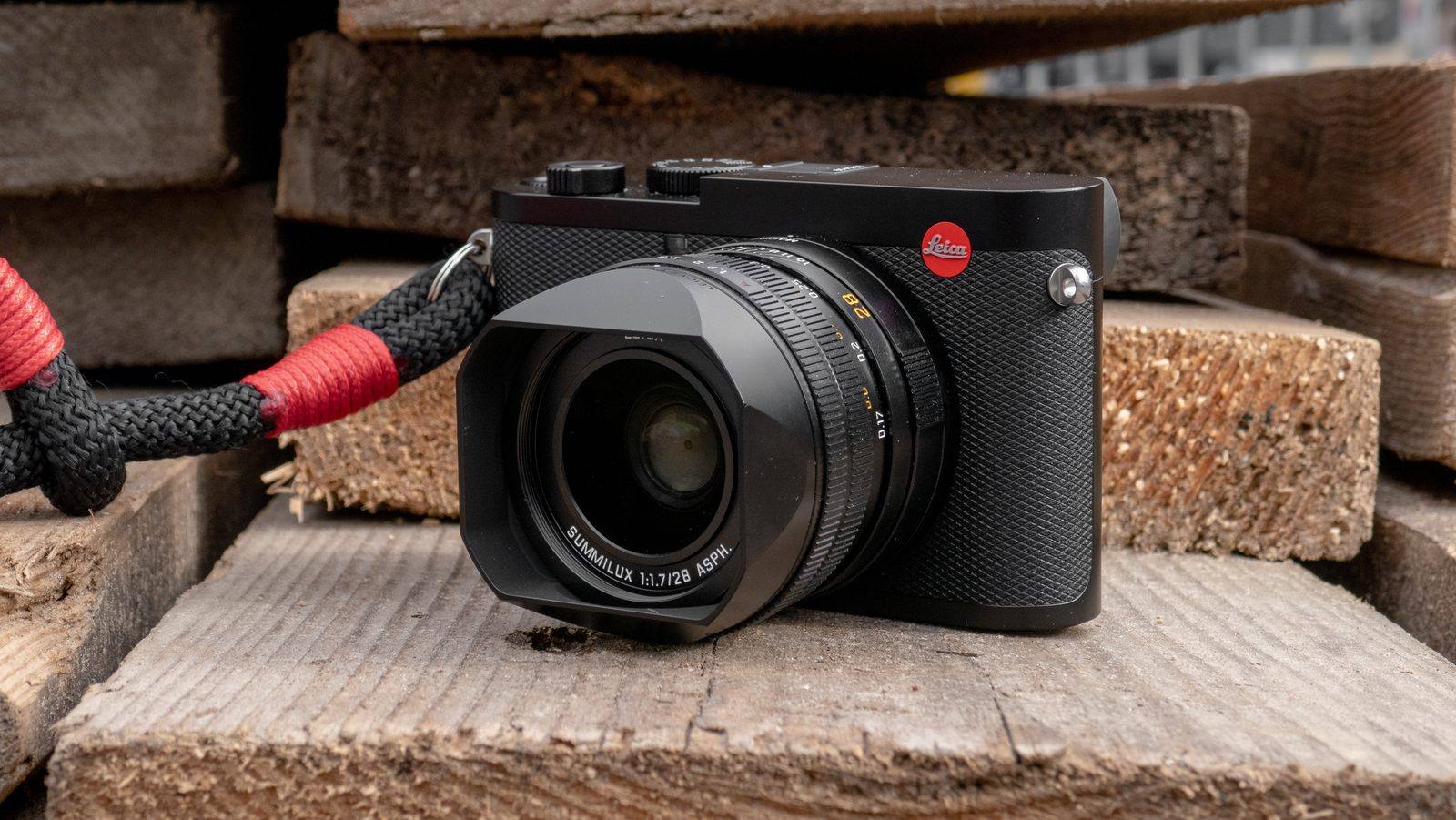
May 2023 brought the Q3, and with it the most significant re-engineering of the line. The sensor became a 60.3-megapixel backside-illuminated unit with Triple Resolution Technology, offering 60, 36 or 18 megapixels from the full sensor area. The Maestro IV processor arrived, autofocus gained on-sensor phase detection, video reached 8K, and the rear screen tilted for the first time. The viewfinder reached 5.76 million dots. At $5,995, the Q3 was the most expensive Q yet, and demand outstripped supply for months, a pattern the line had established and has never quite shaken.
GillyBerlin, Wikimedia Commons (CC BY 2.0)
The branches: 43mm and monochrome
Then Leica did something unexpected: it questioned the 28mm itself. The Q3 43, introduced in September 2024, replaced the wide Summilux with a newly developed APO-Summicron 43mm f/2 ASPH, eleven elements in eight groups with seven aspherical surfaces, apochromatically corrected. The 43mm focal length sits near the diagonal of the full-frame format, the closest common approximation of natural human perspective. The camera wore grey leather instead of black, offered crop framings from 43 to 150mm, and launched at 6,750 euros. It was the first Q to suggest that the line's fixed lens was a choice to be varied, not a doctrine to be kept.
The second branch went the other direction, into purity. The Q3 Monochrom, available from November 20, 2025 at $7,790, pairs a dedicated 61-megapixel black-and-white sensor with the 28mm f/1.7, following the Q2 Monochrom of November 2020 and continuing Leica's long monochrome tradition in the Q line. It even carries a hardware encryption chip for content authentication, a very 2025 concern grafted onto a very classical camera.
Why it worked
The Q's success is worth examining because it contradicts so much received wisdom. Fixed-lens cameras are supposed to be compromises; the Q made the fixed lens the point. High prices are supposed to limit audiences; the Q's prices rose with every generation and the waiting lists lengthened. Complexity is supposed to sell cameras; the Q's controls could be learned in an afternoon.
What the Q understood, from the Typ 116 onward, is that most photographers do not suffer from too few options but from too many, and that a camera which removes the question of which lens to mount gives back the only thing that matters: attention. One lens, no excuses. Eleven years on, it remains the clearest expression of that idea anyone has built.
Spotted an error? We correct openly: see our corrections policy.