news
Sigma's FP2 Doubles Down on the Camera as a Starting Point
Announced on October 23 and on sale November 11 at $2,199, the FP2 keeps the fp idea intact and fixes its most criticised omissions: a faster 24.5 megapixel partially stacked sensor, a tilting screen, 6K OpenGate video and an optional tilting viewfinder. Orders in Japan have already outrun Sigma's forecast.
Sigma
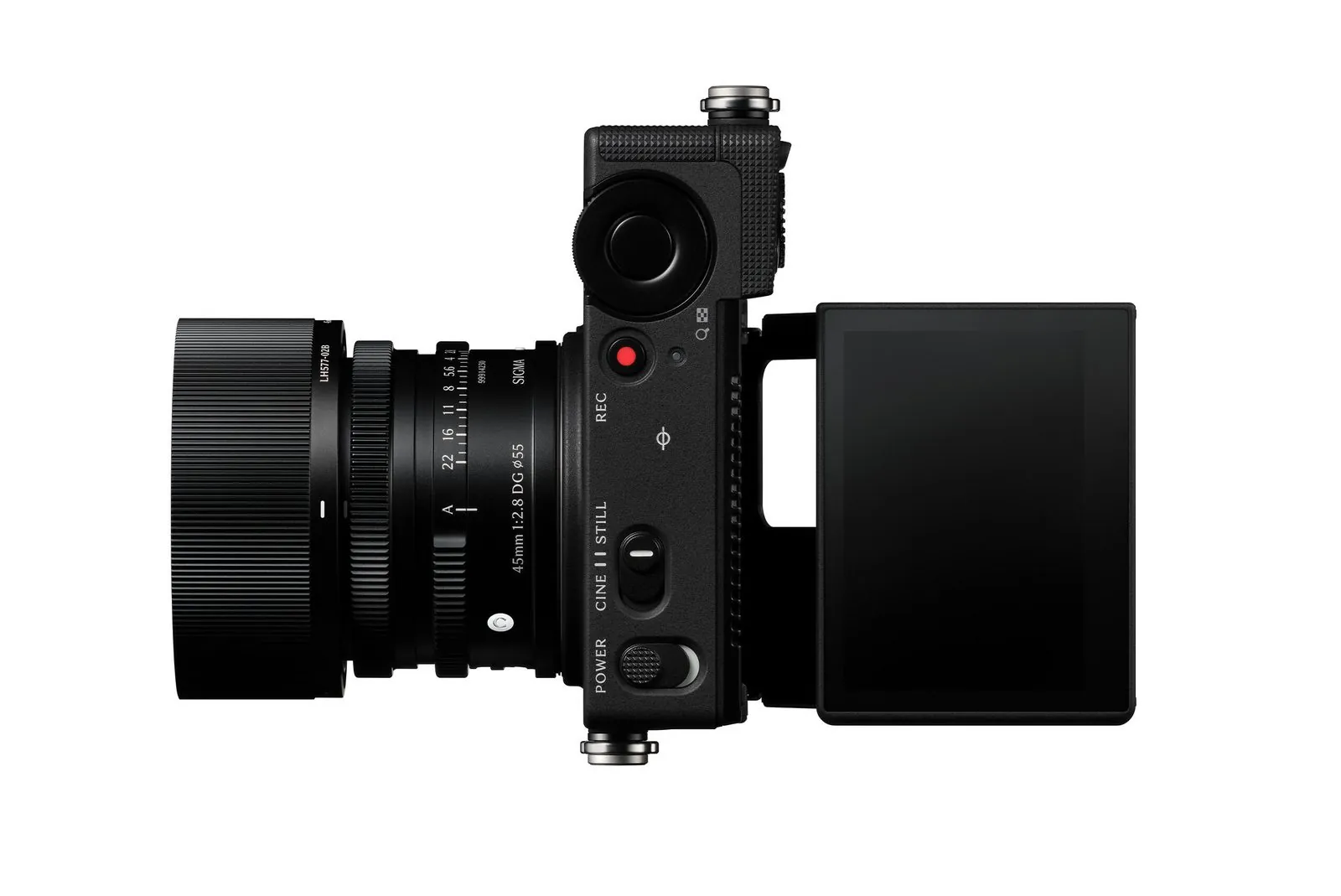
Most camera launches argue about specification. Sigma's fp line has always argued about something else: how much of a camera should be built in, and how much should be left to the photographer to attach. The FP2, announced on October 23 and on sale worldwide on November 11, is the second full attempt at that argument. It is a full frame L-Mount body measuring 112.8 by 69.9 by 41.8 millimetres, which Sigma describes as the world's smallest full frame camera body as of October 2026, and it costs $2,199 in the United States and 1,899 pounds in the United Kingdom, body only.
The sensor is where the generation change actually lives. The FP2 uses a new 24.5 megapixel partially stacked CMOS sensor, 35.9 by 23.9 millimetres, whose faster readout is intended to cut rolling shutter distortion and supports continuous stills shooting at up to about 20 frames per second. Sigma has not chased resolution here. The discontinued fp L offered 61 megapixels, and Sigma's chief executive Kazuto Yamaki was reported by the Japanese trade press at the launch as saying the company does not intend to chase pixel counts, and does not plan a high resolution fp successor for now. The FP2 is pitched at speed and video instead, and its resolution is a deliberate step sideways from the fp L rather than a step up.
Video moves to the centre
In its CINE mode the FP2 records 6K OpenGate video, using the full height of the sensor, with ProRes RAW recording available and, in 4K using the full frame area, an L-Log dynamic range figure that Sigma puts at 14.1 stops. It carries 70 gigabytes of internal storage alongside its SD card slot, with recording able to continue to internal storage when a card fills. None of that required enlarging the box. The body weighs 376 grams on its own and about 460 grams with battery and card fitted, and Sigma says only a handful of the camera's 434 parts carry over from the original fp.
Sigma
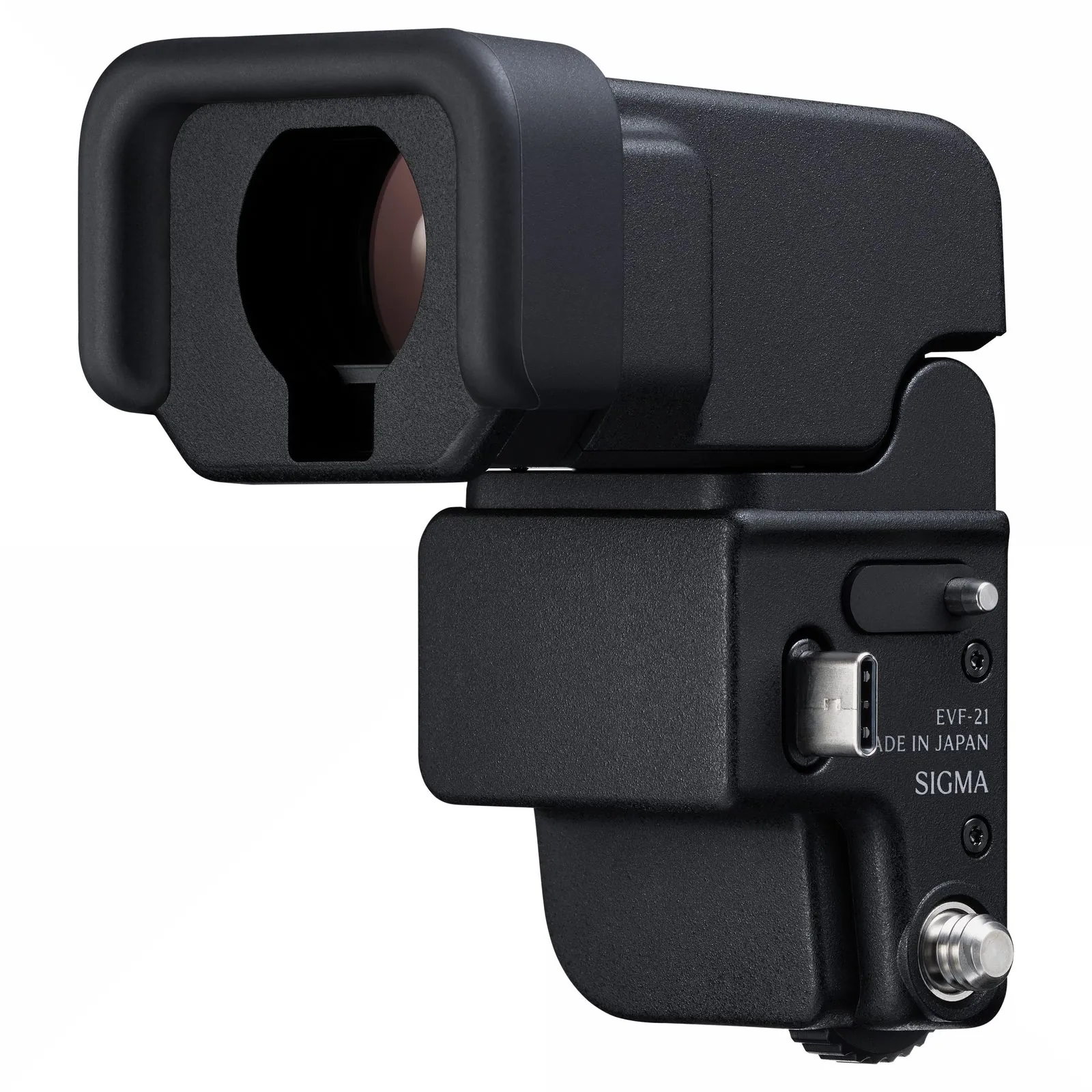
Two fixes answer the first generation's loudest complaints. The rear screen, fixed and widely criticised on the fp, is now a 3.15 inch touch display that tilts up by about 90 degrees and down by about 45. And where viewing on the fp meant add on accessories, the FP2 gets a dedicated electronic viewfinder, the EVF-21: a 0.5 inch OLED of about 5.76 million dots that tilts upward by up to 90 degrees and attaches through a USB-C port. It remains an accessory, not a built in fitting, which is the fp philosophy stated as hardware: the viewfinder is a choice, priced as one.
The kit arithmetic
Sigma sells the FP2 three ways. Body only is $2,199. A kit with the EVF-21 is $2,749, and a kit with the 50mm F2 DG Contemporary lens is also $2,749. Bought separately, the EVF-21 has been listed at $719, so the bundle prices the finder at $550 against the body and rewards buyers who know at the outset that they want one. Sigma also announced a compact all metal 50mm F1.4 CL DG Contemporary prime for L-Mount alongside the camera; it arrives later and has not been priced, so a kit built around it cannot yet be totalled.
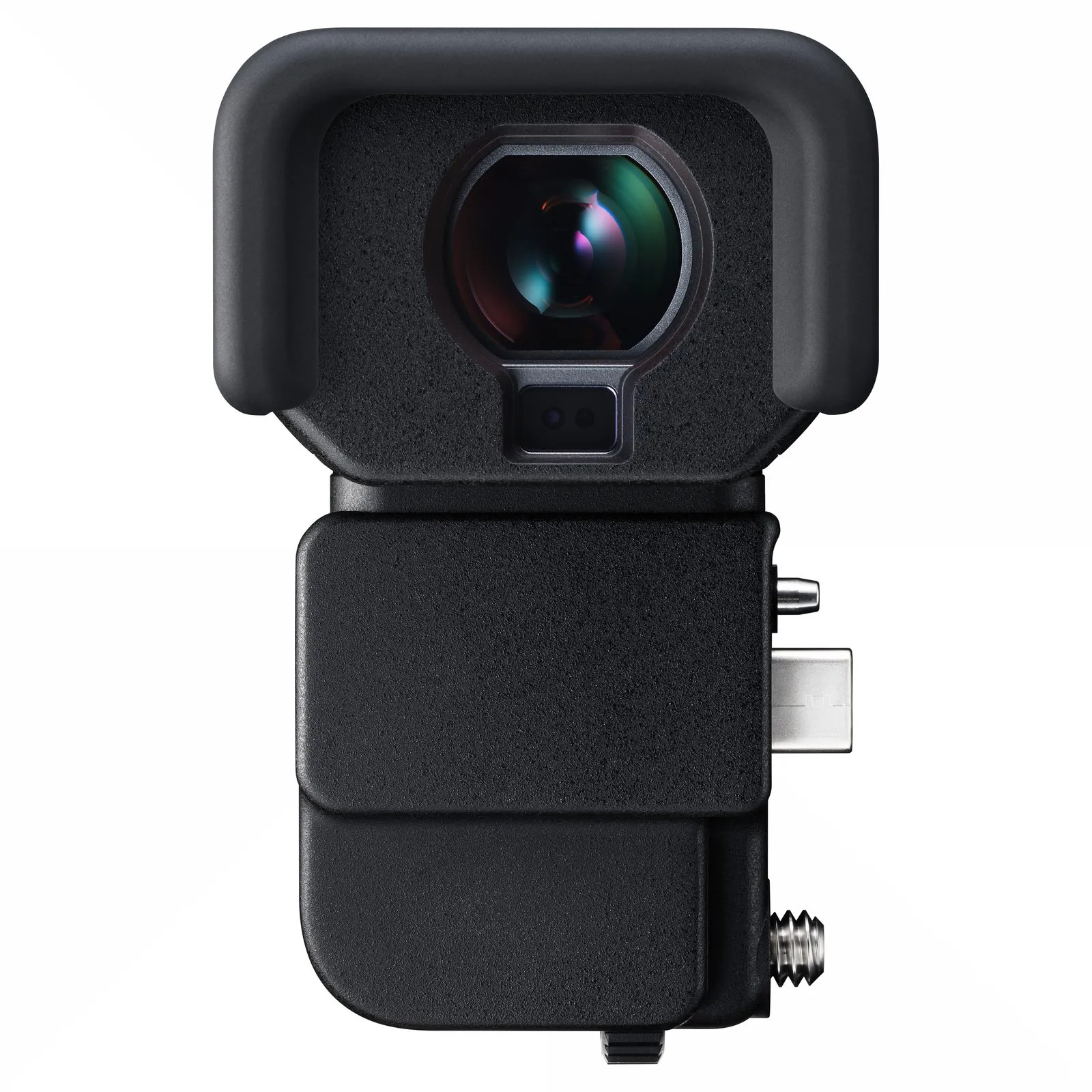
Sigma
The earliest market signal is about supply, not reviews. In a notice posted on its Japanese website on October 29, Sigma said orders for the FP2 and the EVF-21 had exceeded its forecast, covering the body, both kits and the viewfinder sold alone, and that some customers may have to wait while it works to increase production. No equivalent notice has been issued for the United States, and preorders there still show the November 11 date. A shortage notice a week after announcement is a familiar launch ritual in this industry and should be read as exactly what it says: a Japanese market statement about initial allocation, not evidence about global demand.
What the FP2 tests is whether the modular argument has gained ground since 2019. The first fp asked photographers to accept a screen only camera and build outward; the market answered politely and in modest numbers. The second generation keeps the premise, removes the two compromises that were hardest to defend, and adds a sensor fast enough for the video work the concept always implied. Whether that is enough is a question for owners rather than launch coverage, and this publication has not tested the camera. On paper, it is the most coherent version of Sigma's smallest idea so far.
Specifications
| Sensor | 24.5 megapixel partially stacked full frame CMOS (35.9 x 23.9mm) |
|---|---|
| Video | 6K OpenGate; ProRes RAW; L-Log |
| Continuous shooting | Up to about 20 frames per second |
| Storage | 70GB internal, plus SD (UHS-II) slot |
| Dimensions | 112.8 x 69.9 x 41.8mm |
| Weight | 376g body only; about 460g with battery and card |
| Price | $2,199 body only; $2,749 with EVF-21 or 50mm F2 DG Contemporary kit |
| Availability | November 11, 2026 |
Spotted an error? We correct openly: see our corrections policy.