retrospective
Oskar Barnack: The Man Who Shrank the Camera
Asthmatic, stubborn, and precise: the Leitz engineer whose 1913 prototype made photography fit in a coat pocket.
Leica Camera AG
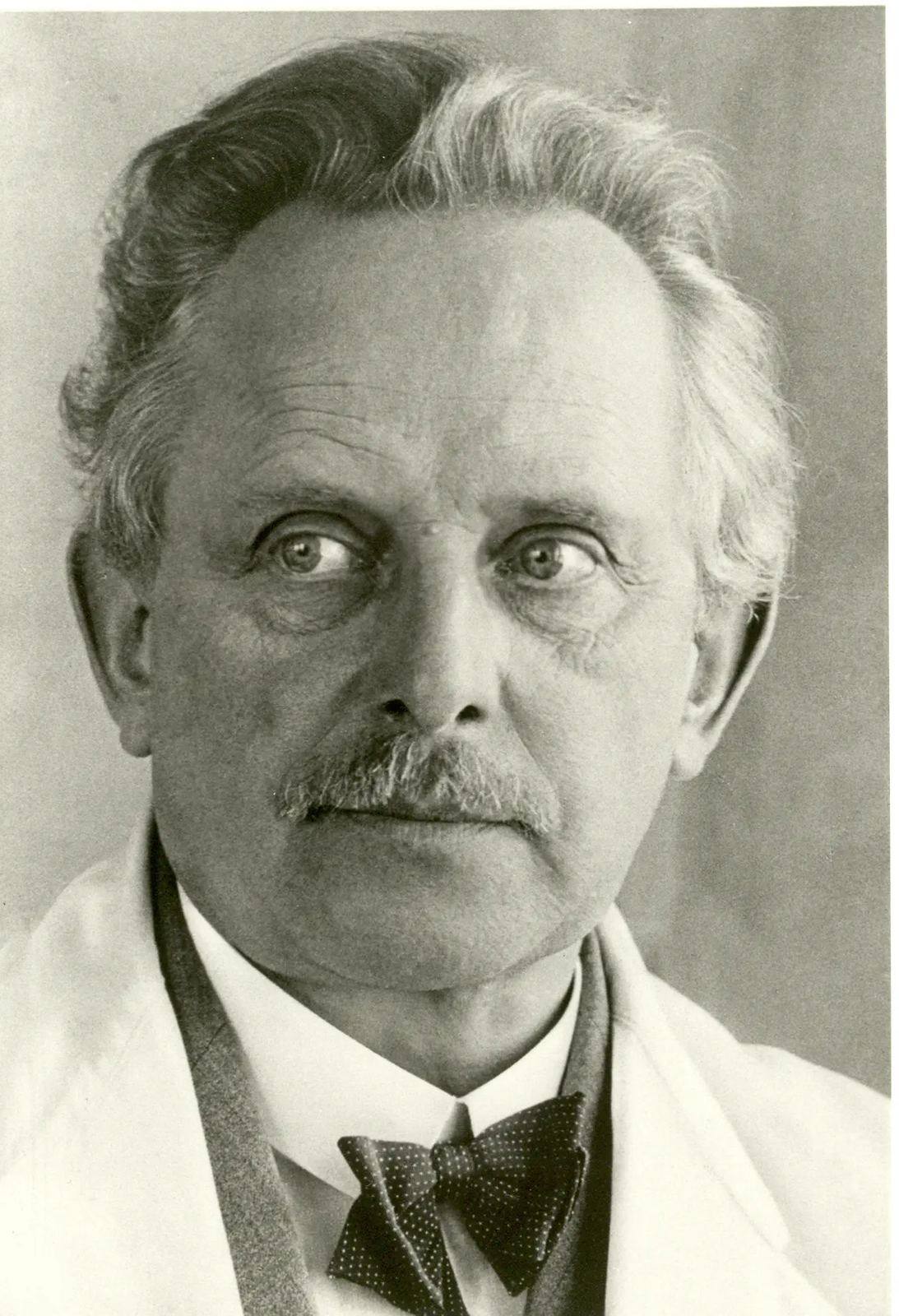
Oskar Barnack was born on November 1, 1879, in Lynow, Brandenburg, trained as a precision mechanic, and joined Ernst Leitz Optische Werke in Wetzlar in 1911 to head its experimental department. He was an enthusiastic photographer with a practical problem: he suffered from asthma, and the heavy plate cameras of the day were difficult for him to carry. His solution was to make the camera smaller, and in doing so he remade photography itself.
Between 1913 and 1914 Barnack built the Ur-Leica, a compact prototype that used 35mm cinema film, doubled sideways to a 24 by 36mm frame, far larger than the 18 by 24mm movie frame, because he judged the cinema frame too small for quality stills. The First World War delayed production, but by 1924 Ernst Leitz II had made his famous gamble, authorizing a production run of 1,000 cameras, and the Leica was presented at the Leipzig spring fair in 1925. Small negatives, enlarged in the darkroom, became the basis of modern photojournalism.
The prototype that came home
Barnack kept shooting with his prototypes, and one of them became the most expensive camera ever sold. Leica 0-Series No. 105 was Barnack's personal camera; he photographed his family with it, used what he learned to refine the design, and his name is engraved on the top of its viewfinder. When it sold at the 40th Leitz Photographica Auction in June 2022 for €14.4 million, the price was a tribute not just to rarity, about two dozen 0-Series prototypes were built in 1923 and 1924, but to the man. Barnack died in 1936, eleven years after his camera changed the world, too soon to see what it became. Every 35mm frame ever shot is, in a sense, his memorial.
Spotted an error? We correct openly: see our corrections policy.