guide
A Guide to Collectible Leica Editions
From Hermès leather to solid titanium, Leica's special editions are a collecting field of their own. Here is how to navigate it without getting burned.
Leica Camera AG
Leica has been making limited editions for almost as long as it has been making cameras, and the field splits into two broad families. There are the factory rarities, standard models finished in unusual ways for institutions, governments, or tiny production runs, and there are the designed editions, cameras reimagined with fashion houses and designers. Both reward the same discipline: verify the edition size, verify the provenance, and never assume rarity equals liquidity.
The fashion collaborations
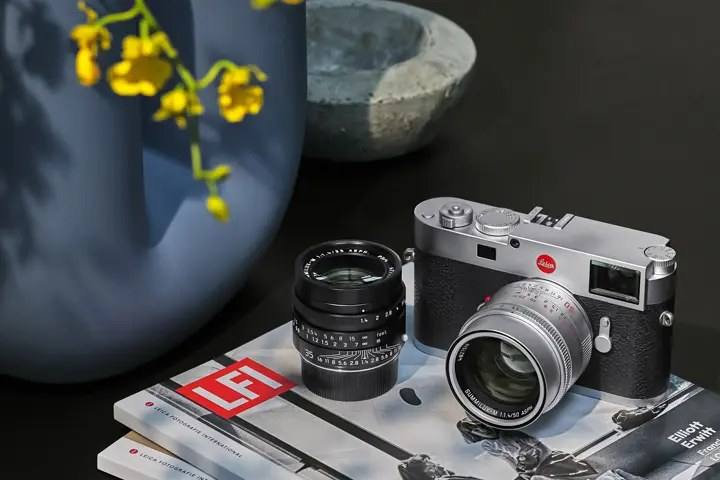
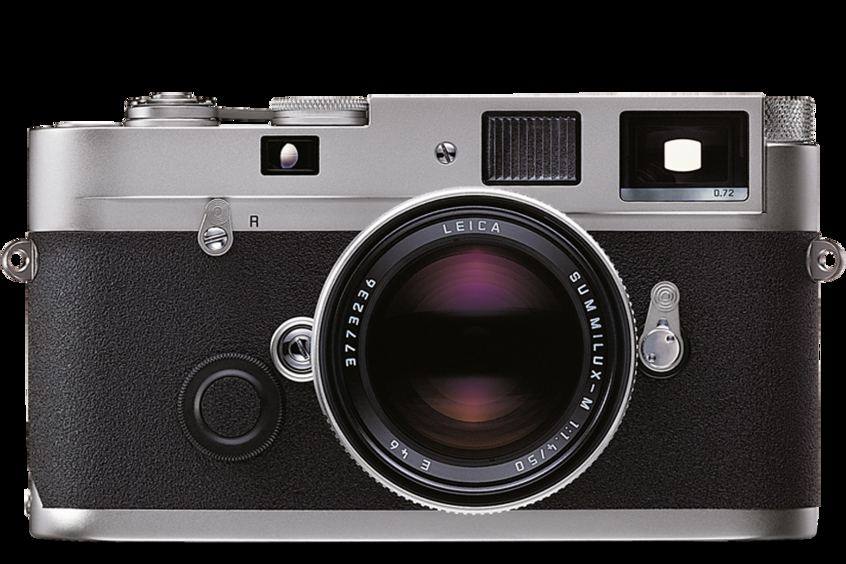
The most famous designed editions carry the Hermès name. In 2003 Leica produced the MP Edition Hermès, 500 cameras in silver chrome with Barenia calfskin, sold as a set with a Summicron-M 35mm lens. The partnership returned in 2012 with the M9-P Edition Hermès: 300 sets worldwide with a silver-anodized Summilux-M 50mm, followed by the Série Limitée Jean-Louis Dumas, just 100 sets honoring the late Hermès president, each with three silver-anodized lenses and a hand-finished Hermès camera bag. A second MP-based Hermès series followed in 2019, again in two colors of 100 sets each. The through-line is consistency: numbered editions, matching lenses, and presentation that was conceived as a whole, which is why complete, boxed sets with papers matter so much at resale.
Titanium and the material editions
Leica's material editions are built around titanium. The MP Titanium of 2007, made to mark the first anniversary of the Leica Store in Tokyo's Ginza district, ran to only 150 cameras with all metal parts in titanium. The M9 Titanium, designed with Walter de'Silva's Audi Design team, ran to 500 cameras with a matching Summilux-M 35mm. These are genuinely different cameras to manufacture, not standard bodies with different paint, and collectors distinguish sharply between the two.
The factory rarities
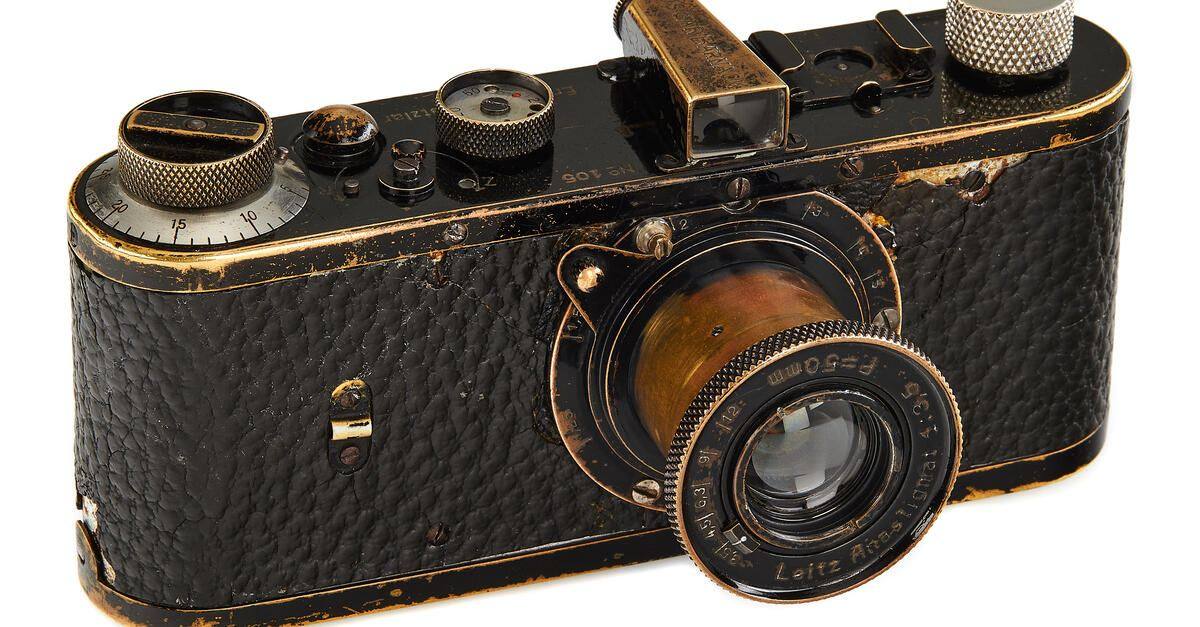
Parallel to the designed editions runs a quieter market in factory variants. Black-paint Leica M3 bodies from the 1950s, made in tiny numbers for press and professional use, are among the most faked cameras in existence, precisely because the real ones are so valuable: an early factory black-lacquer M3, used internally at Leitz, sold at auction for €625,000. Limited runs like the 500 M8.2 Safari bodies or the 30 X1 L'Eclaireur cameras occupy the same territory on a smaller scale. With any of these, the rule from our provenance guide applies twice over: factory records, matching numbers, and expert authentication before money changes hands.
How to buy without regret
Insist on the full set: camera, matching lens, caps, boxes, certificates, and numbered papers. Photograph everything before it ships. Buy from specialists with return policies, and budget for an independent authentication on anything rare enough to be faked. Edition size is a fact you can verify; future value is not. The editions that have held collector interest share three traits: honest scarcity, a coherent design story, and completeness of the surviving examples. Everything else is marketing.
Spotted an error? We correct openly: see our corrections policy.