news
Tamron's Patent Designs Point at Medium Format for the First Time
A newly disclosed Tamron patent, reported on November 4, sets out optical designs for 60mm f/1.8, 75mm f/1.9 and 130mm f/2.6 lenses covering the 44 x 33mm sensor of Fujifilm's GFX and Hasselblad's X2D. A patent is not a product. It is, however, the first documented sign of Tamron designing for the format.
Fujifilm
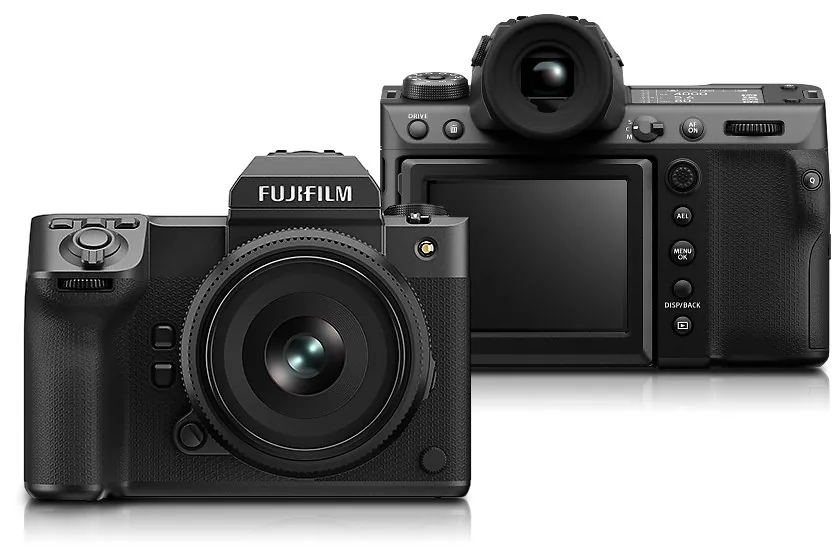
The most consequential camera industry documents are often the driest. On November 4, two specialist outlets reported a newly disclosed Tamron patent setting out optical designs for three lenses for medium format: a 60mm f/1.8, a 75mm f/1.9 and a 130mm f/2.6, each drawn to cover the 44 x 33 millimetre sensor used by Fujifilm's GFX cameras and Hasselblad's X2D. Both reports note the same significance: this is the first time Tamron designs for that image circle have been seen.
Precision about what has actually happened matters here. A patent disclosure is a publication of designs, not an announcement of lenses. Tamron has not announced a medium format product, a mount, a price or a date, and nothing in the reporting suggests it has. Lens makers patent designs routinely, including designs that are never manufactured, designs filed to protect research, and designs later licensed to other companies. The honest headline is narrow: a company that has never played in digital medium format has now done documented optical work sized for it.
Why these three focal lengths
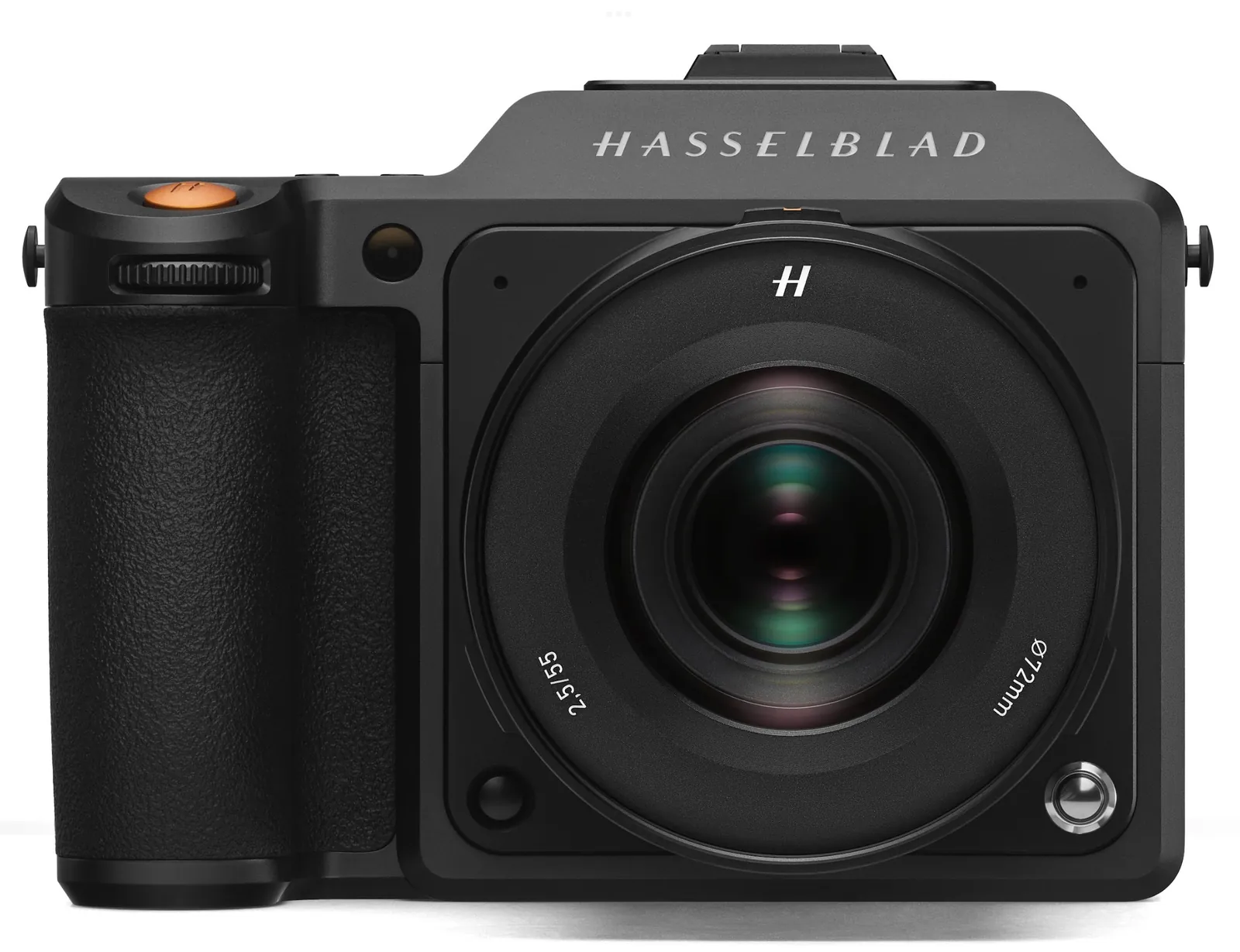
The designs themselves are the interesting evidence. Converted by the format's roughly 0.79 times crop relative to full frame, a 60mm on 44 x 33 behaves like a lens of about 47mm, a fast standard. A 75mm behaves like about 59mm, a long standard suited to portraiture. A 130mm behaves like about 103mm, a short telephoto. Read as a set, they are not exotic experiments. They are the working core of a prime lens range: standard, portrait and short telephoto, each at apertures between f/1.8 and f/2.6 that would be fast for the format, where most system lenses sit at f/2.8 or slower at these lengths.
DPReview
That ordinariness is the point. A single unusual design might be a research exercise. Three designs that together map onto the lenses a system actually sells suggest someone at Tamron has thought about the format as a market, with a range in mind, rather than as a curiosity. It remains thinking on paper until the company says otherwise.
A system with almost no third party glass
The context is how closed medium format remains. Fujifilm's GFX system, the larger of the two by volume, currently has only two third party autofocus lenses, as the patent reports note, in a catalogue otherwise supplied by Fujifilm itself, supplemented by manual focus lenses from smaller makers. Hasselblad's X system is similarly a first party preserve. Contrast full frame mirrorless, where Tamron and Sigma compete directly with the camera makers across most focal lengths and have reshaped pricing in doing so.
Tamron
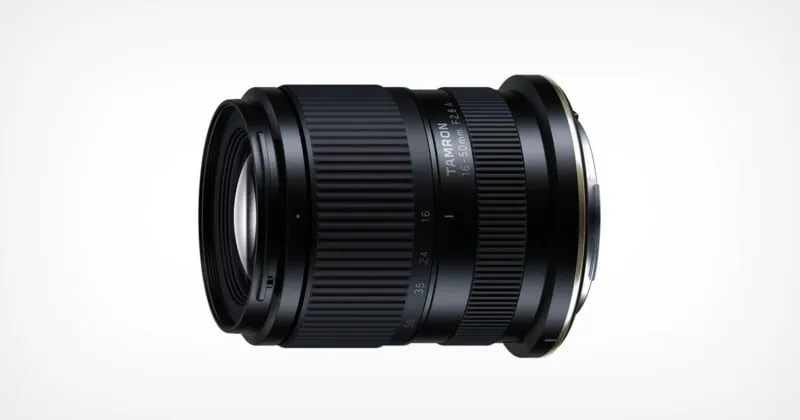
Tamron's own recent direction makes the format question sharper. The company has spent 2026 doing the opposite of specialisation: its financial reporting earlier this year pointed to ten new lens models planned for 2026, a count that treats mount variants as separate models, and its launches have spread across mounts and formats, most recently a compact constant aperture zoom for APS-C rolling out across four mounts this autumn. A maker pursuing volume across every mount it can reach eventually looks at the one format where third party supply barely exists. Medium format volumes are small, but so is the competition, and the customers buy lenses at prices full frame no longer commands.
Tamron is not the only outsider whose interest has been reported. FujiRumors, in its patent report, notes that Sigma has also shown interest in developing GFX lenses, and a Sigma optical design for the format was reported earlier this year. Isolated designs and reported interest, however, are not a range. Tamron's disclosure is three working focal lengths at once, mapped onto a system's core needs, and it is that completeness, rather than the mere existence of a patent, that makes this the harder evidence and the reason the disclosure leads this week's industry news.
Three outcomes are possible, and the patent reports list them plainly: the designs never become products, Tamron enters one of the two systems itself, or it sells or licenses the designs to a system owner. Which system would even admit a third party autofocus lens is a commercial question no patent can answer, since autofocus protocols and mount licensing sit with Fujifilm and Hasselblad respectively. For now, GFX and X2D owners should file this where it belongs: not as a coming product, but as the first credible evidence that the format's lens duopoly has attracted a serious outsider's attention. In an industry that runs on tooling decisions made years ahead, documented attention is how entries begin.
Specifications
| Disclosed designs | 60mm f/1.8, 75mm f/1.9, 130mm f/2.6 |
|---|---|
| Image circle | 44 x 33mm (Fujifilm GFX, Hasselblad X2D format) |
| Status | Patent designs disclosed November 4, 2026; no product, mount, price or date announced by Tamron |
Spotted an error? We correct openly: see our corrections policy.